The morning started off with a literal bang. The hostel had a new roof being installed and the roofers were well on their way driving in roofing nails early in the morning as the sun broke. It was not the most pleasant awakening but one that was needed to shake our weary bones out of bed and get ready for a day in Boise. Still the only two people in the hostel, we slowly rose out of bed, showered, dressed, brushed, and loaded up the Explorer knowing that we would most likely not return until well past the evening. Boise, much like Twin Falls, is a city that I had always wanted to explore more having only previously passed through. I had known about it being a growing hub of youthful liberal spirits and a hub for a community effort to create a blossoming city of self-sustainability. Being both a college town home to a few different universities as well as an age old farming community—this little hub of the west always comes up on various lists of “Best Places to Live” or “Best Communities.” With that image of Boise in mind, we headed into town right around 8 a.m. to get ourselves a cup of tea for some much needed morning fuel.
Travel: The Great Nevada Road trip - Day 2 - From Caves to Idaho
Travel, Photography, History, Nature1 CommentDay 2

The beautiful Baker Creek that cuts right through Great Basin National Park.

This old Ford Explorer has been through a lot but it still has many more miles to go.
Camp was broken down by 6:45 a.m., after the sun had broken over the mountains and shown down into the small creek valley we called home for the night. It was hard waking up in the brisk morning after a long night with a powerful moon and many moments pondering under the stars. With a slight breeze cutting through the tent mesh, I groaned as I unzipped my sleeping bag and finally awoke Celeste after many failed attempts. Exhausted, I pushed on with the day knowing that we had a very long drive ahead and still so much to explore in Great Basin National Park. With my mind still racing from fresh thoughts from the night before I slowly gathered myself to make for another long day on the road.
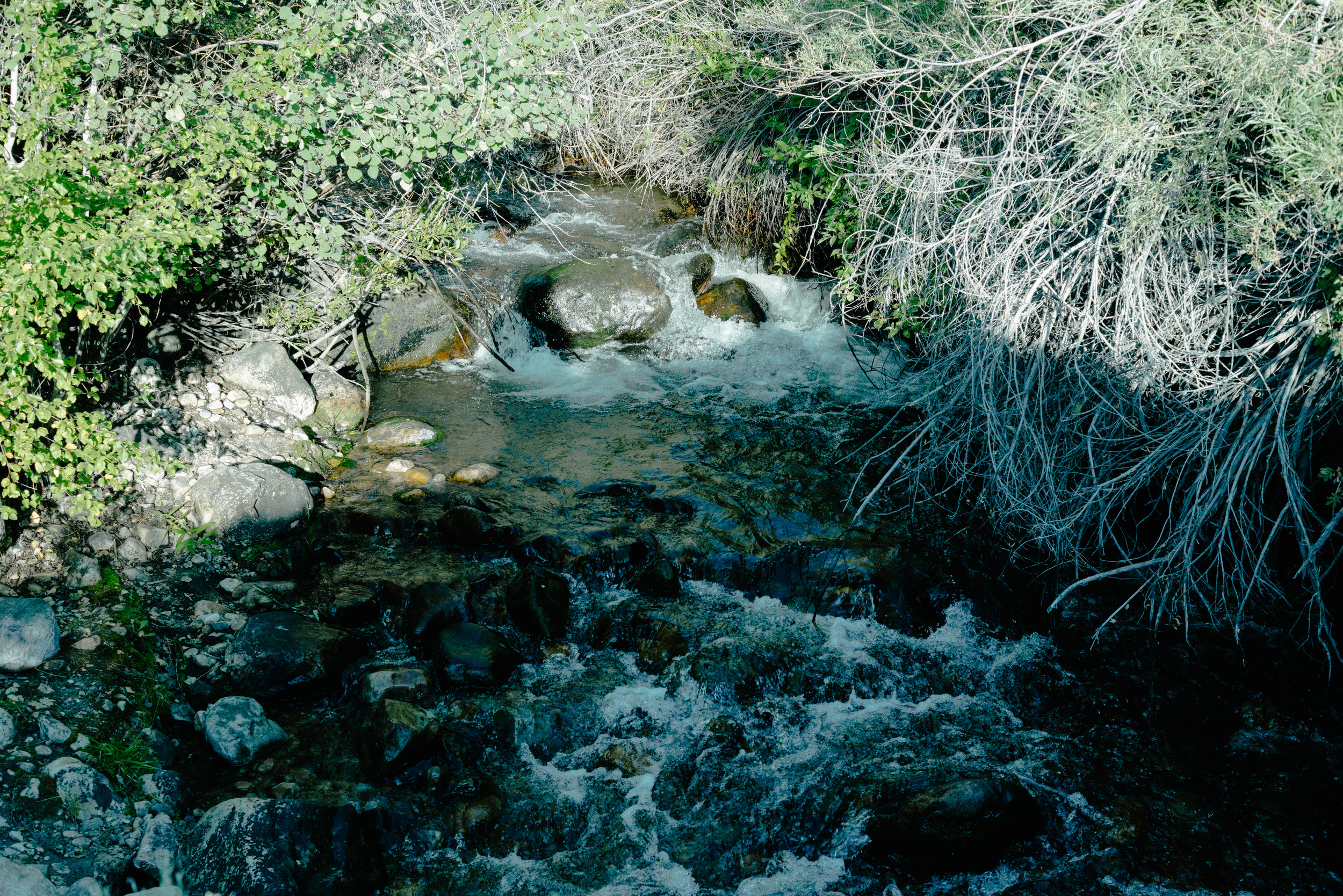
Baker Creek was as peaceful a place to camp as any, wish we had another night.
Great Basin and Up Wheeler Pass

Scenic looks along the tight and narrow Wheeler Pass.

Age old bristlecone pines are scattered about the park, something the Great Basin is famous for
We began to make our plans for the day, or rather, what we wanted to see and do in the park before leaving. There was still a long drive of approximately eight hours ahead of us to make it into Boise, but we had missed our cave tour so we had to explore more of the park before leaving it. The decision was made to drive up Wheeler Pass to see the mountains and the surrounding viewpoints, so a short hike at the top and come back down in time for the Lehman Visitor Center to open so we could pick up a few souvenirs and knickknacks before hitting the road. That being said we hit the restrooms to wash our faces, and quickly set off to the top of the famous Wheeler Pass.

Scenic overlooks along Wheeler Pass are worth it, even if it's just for the trees along the trails.

Among the trees are scares from lightning strikes and brush fires.

The top of Wheeler Pass lets visitors hike various trails through beautiful alpine views.
Wheeler Pass is an extraordinarily winding two-lane mountain road that twists and curves around the mountainside. It cuts up right over Wheeler Mountain, just under the peak climbing high to ultimately reaching an elevation of just over 10,000 feet. Along the way there are several overlooks and hikes to give explorers like us time to rest the car engine and gaze out into the vast emptiness of the Great Basin. Each scenic vista gave us an incredible appreciation for the surrounding landscape and the majestic beauty that came with it. By the end of the drive we arrived at a small nature trail that splits off into several directions, one of the main ones being the famous Bristle Cone Pine Grove containing pines that are well over a millennia in age still living and thriving in the wilderness. With what time we had left, we walked along some of the trails before heading back down to the visitor center before making the final push up I-93 to Idaho.
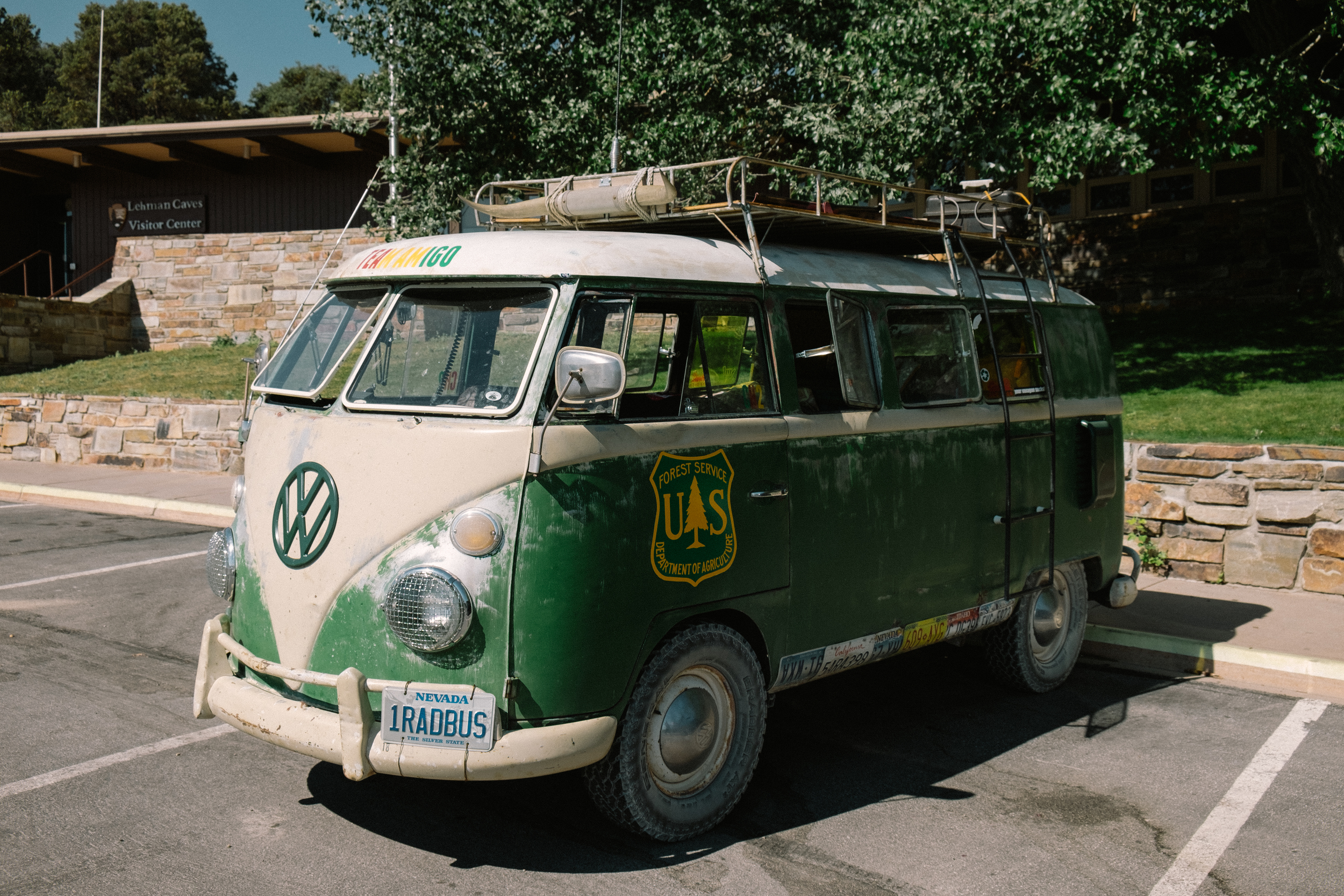
Back at the Lehman Visitor Center we found this very rad bus.
Making it down the mountain fast leaving the new front breaks of the Ford Explorer smoking (despite downshifting) we hit the visitor center a quarter-‘till ten, and picked out a few post cards and a poster that are pretty hard to find outside of the park. Ready to checkout we stood behind an old couple who were talking to the ranger about a Lehman cave tour. We were still pretty disappointed about missing ours, but when we made reservations a week before we were told they were all sold out well until the next week. Still, when I was up at the till, I had to inquire. “Do you guys have any more cave tours open?” The ranger had a slight smile, “You’re lucky,” he replied, “Today we have a 10am tour for the Grand Palace reserved for 'first come first serve' park visitors. We rarely do them but we still have space, are you interested?” Ecstatic I immediately jumped on purchasing two of them while telling him the story of our misjudged scenic byway from the previous day and how we missed the afternoon tour we had booked. Our misfortune had turned to a great lucky happenstance as not only were we able to have an amazing mountain drive the day previous, but we now were also able to do the longest and most extensive of the Lehman Cave tours, more so than what we had originally booked.
Lehman Caves and the Grand Palace Tour

The Lehman Caves is home to some beautiful sites and is famous for her formations.

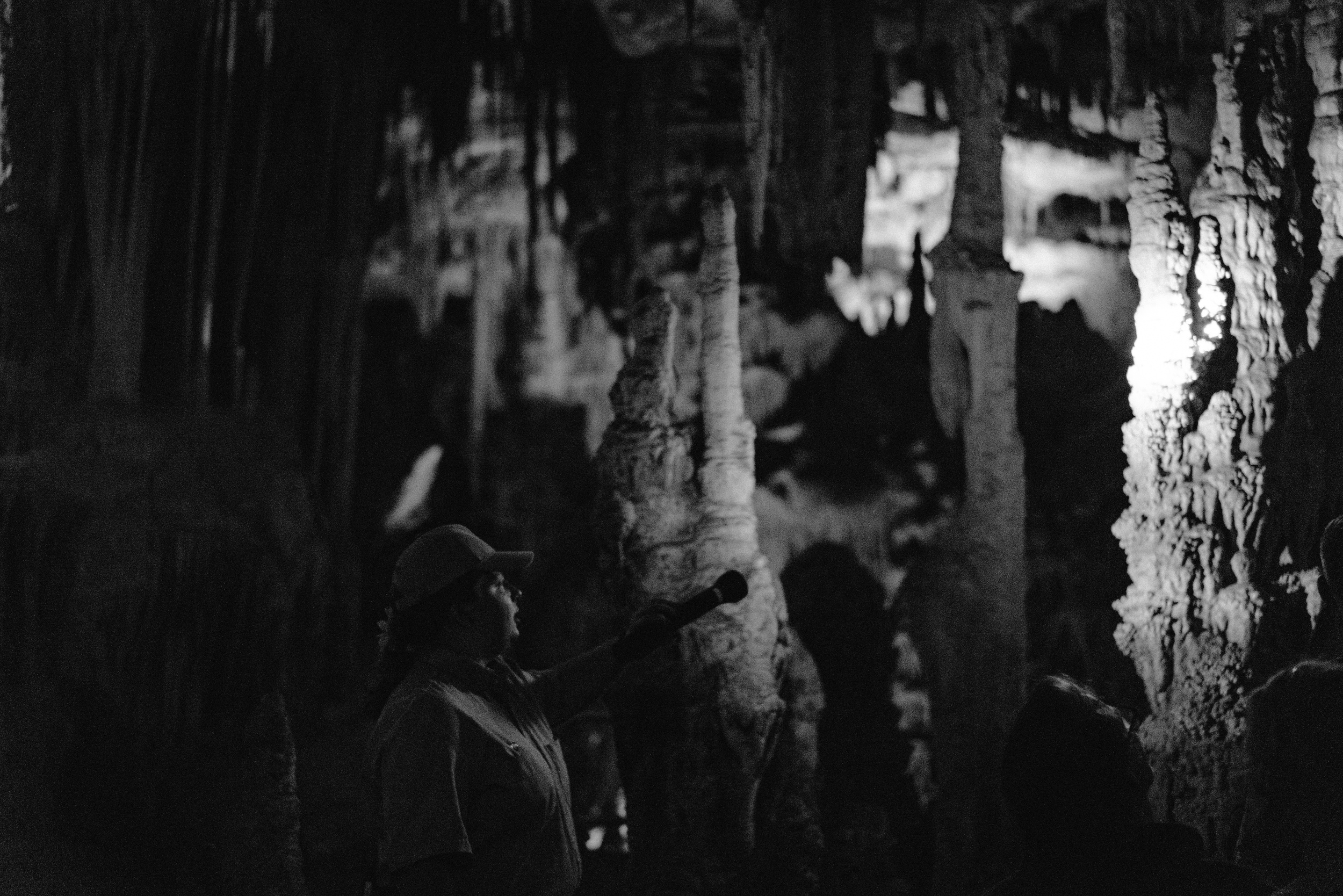
Tours by candlelight are no longer possible, but our guide gave us a great demonstration on how eerie they were.
With only a few minutes to spare we headed outside to gather with our fellow tourees to explore the caves. Our friendly guide was a volunteer from the Dixie State who was working on her degree in botany, a friendly gal with a flower in her hair and eager to lead our small group of just under 20 through the twisting corridors of the Lehman cave systems. Despite the remoteness of this national park and small size, our tour group included people from all over the world from as far as Korea to explore this magical place and natural wonder that once carried the designation of a United States national monument.
The tour started with us being lead down a narrow man made hallway for easy access to the cave; this bypassed the original small entrance that lead down into the caves with only a small rickety wooden staircase. Our guide told us stories of how the caves were originally discovered by Absalom Lehman around 1885 and began to settle the area for tourists around his ranch—giving them tours of the place and allowing them to visit for a full day. As technology allowed it, the original way of visiting the caves was to simply go down the natural entrance, light a candle/lantern, and explore the caves for up to 24 hours. Only if you did not emerge after that time, then Lehman himself would come to rescue you. While the park service has discontinued candlelight tours (due to mildew that would grow from the candlewax), our peppy guide cut the electronic lights and showed us just how eerie exploring the caves with a candle light is.

Guiding the way with a flashlight and some electronic lights along the way we navigated the dark caves

With the caves divided into different rooms, we continued room by room through narrow corridors ducking our heads under stalactites and dodging around massive stalagmites and shields along the way. Each room was brilliantly illuminated with a variety of different colored lamps to create dazzling shadows and draw brilliant colors from the cave’s natural formations. The Lehman caves have a long history of people using its large corridors and spacious rooms for a variety of events. Weddings were once held in some of the small narrow passages; secret society meetings and proms in the “Lodge Room” where old candle soot graffiti can be found on the cave walls; music played on the natural massive straw formations created by a naturally occurring ‘organ.’ This brilliant cave was home to a trove of human history as well, giving it even more alluring traits for the historian in me.
Lasting over 90 minutes underground, we walked the caves jaws agape with each room presenting us with even more awe inspiring natural features. At the end we were given just over 15 minutes to explore the final room, the ‘Grand Palace’ to take photographs before heading back up another long dark corridor. As a joke to us all, our playful guide gave us a demonstration of an earthquake underground by slamming the heavy wooden exit door open and shut causing a massive shock wave of sound to ripple down the hallway. And with that demonstration over, she opened the door to blinding sunlight as we all said our goodbyes.
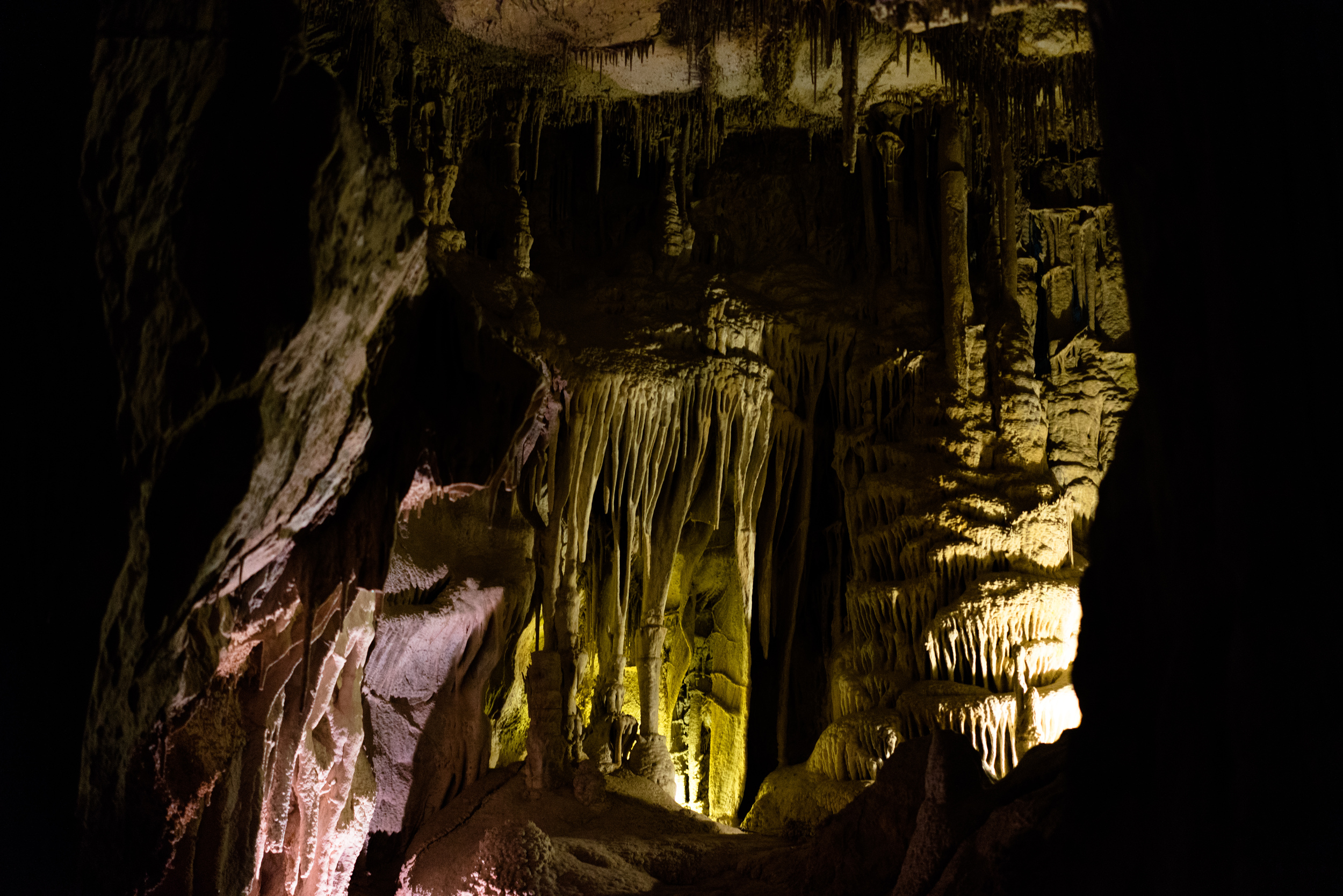
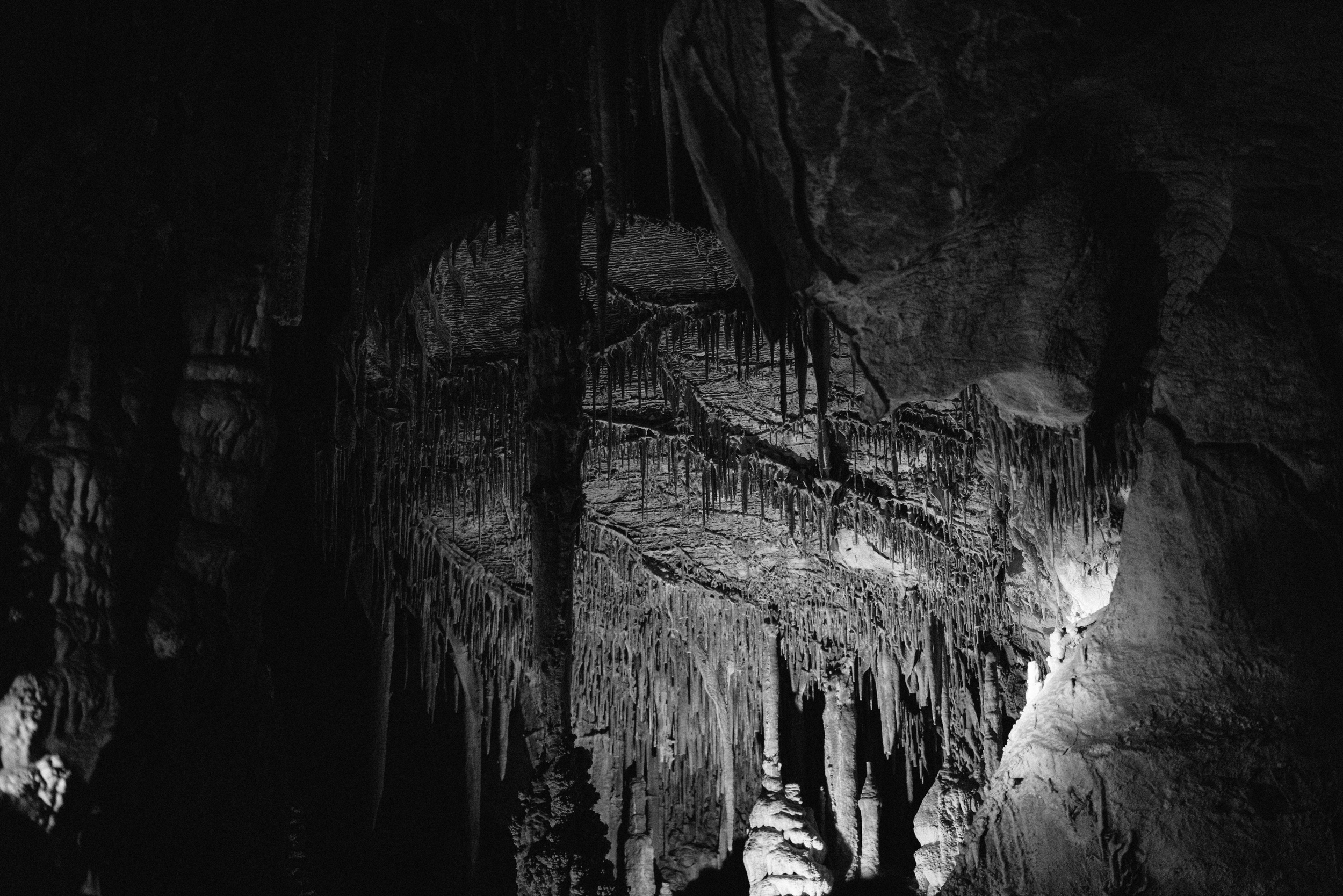
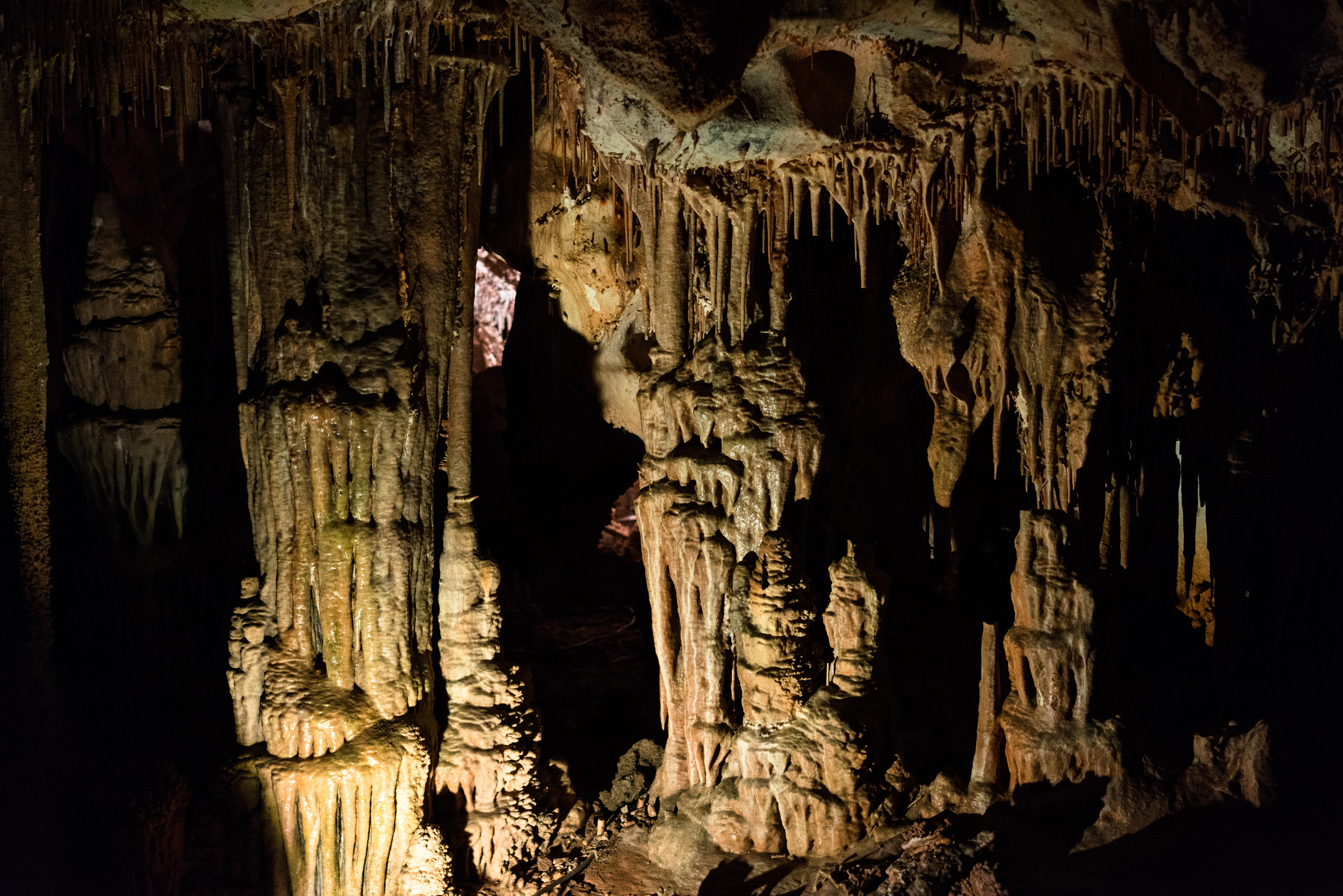
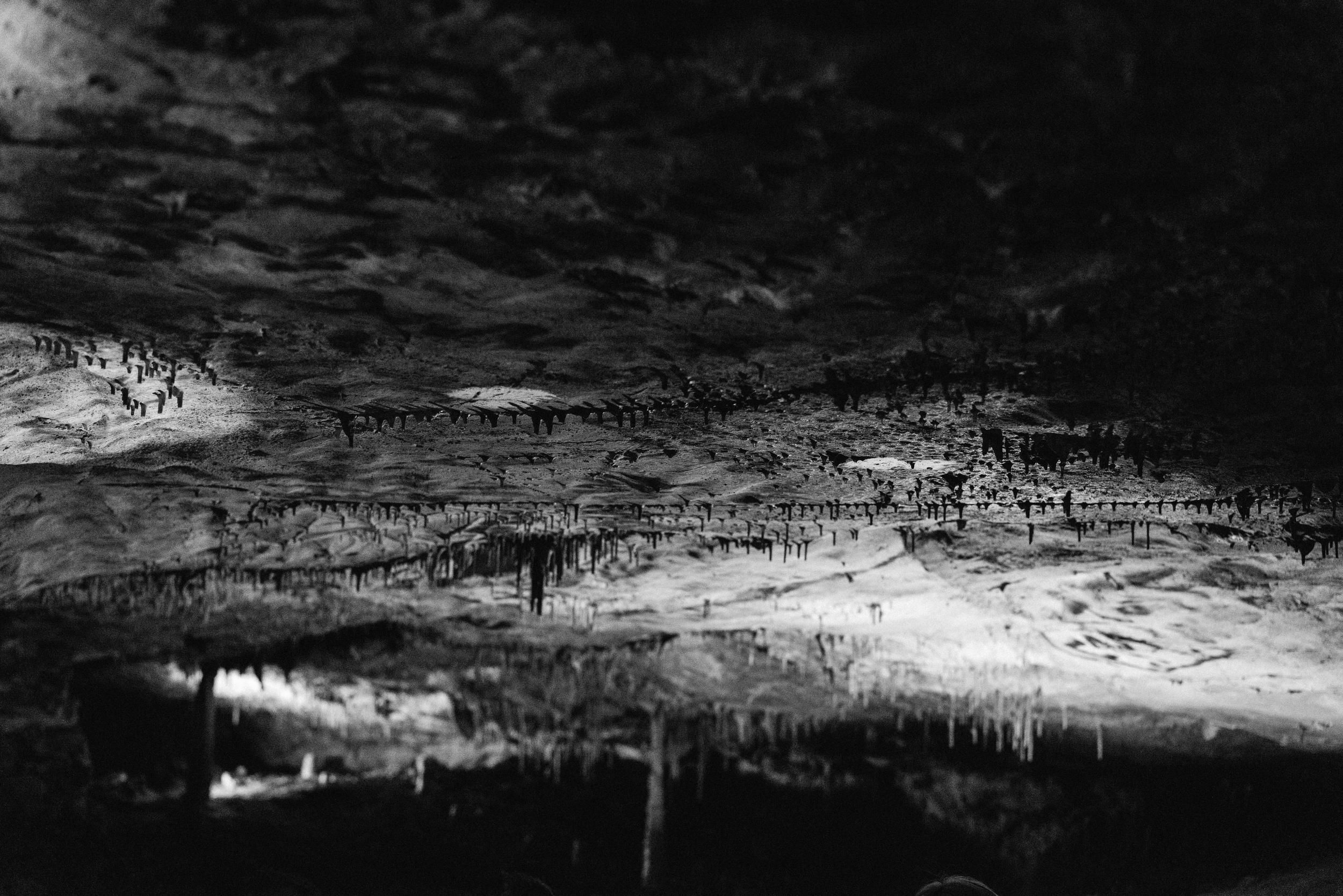
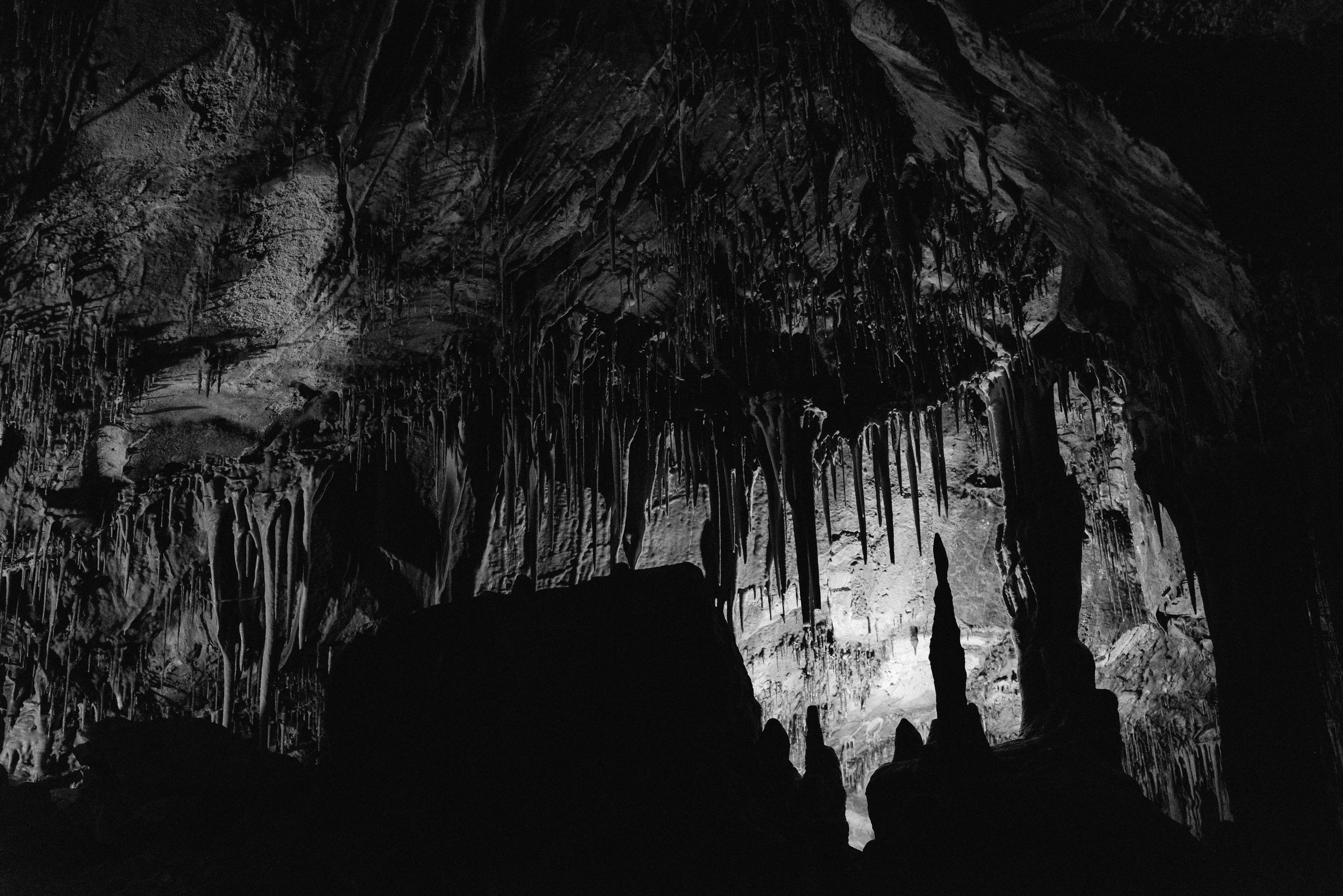
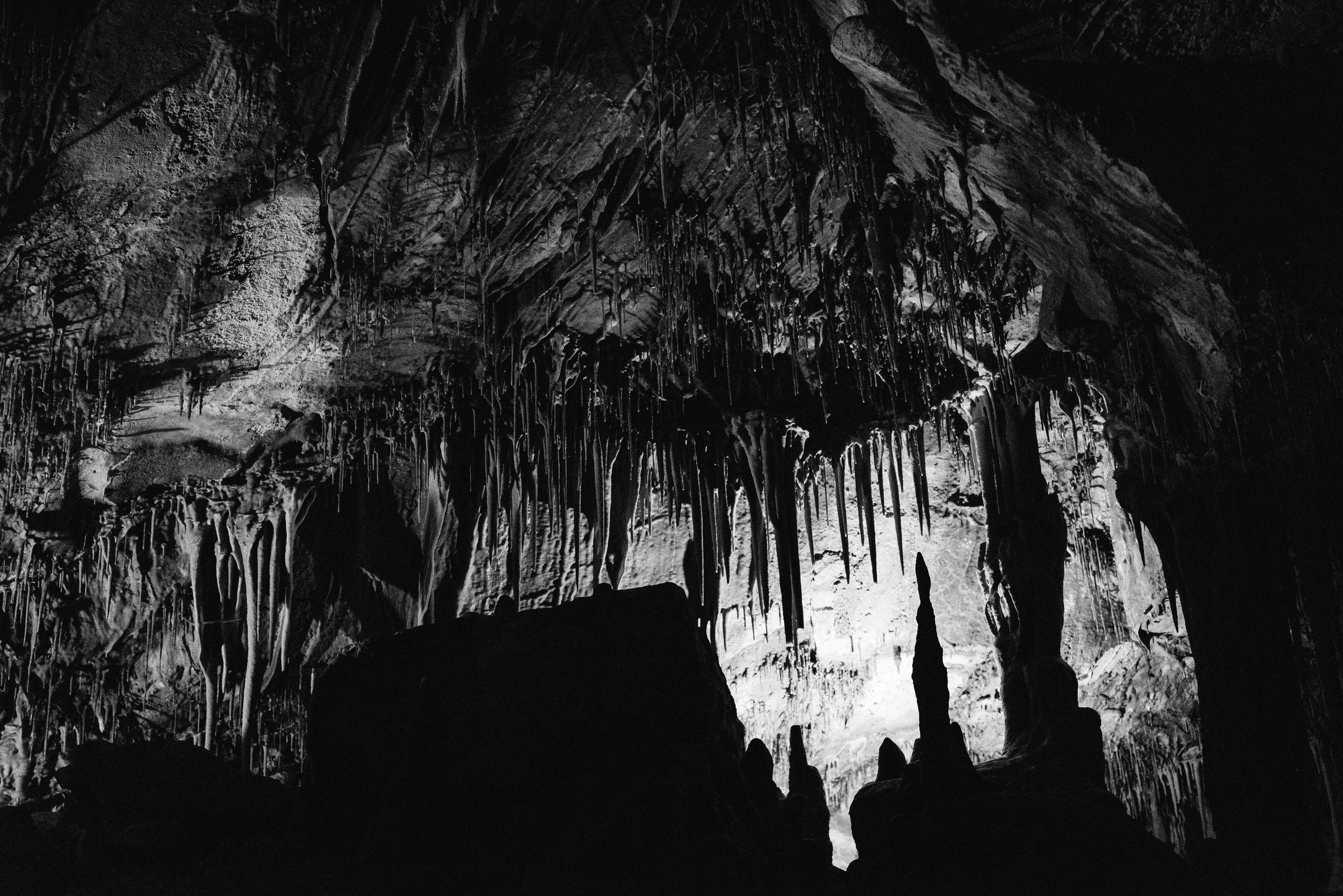
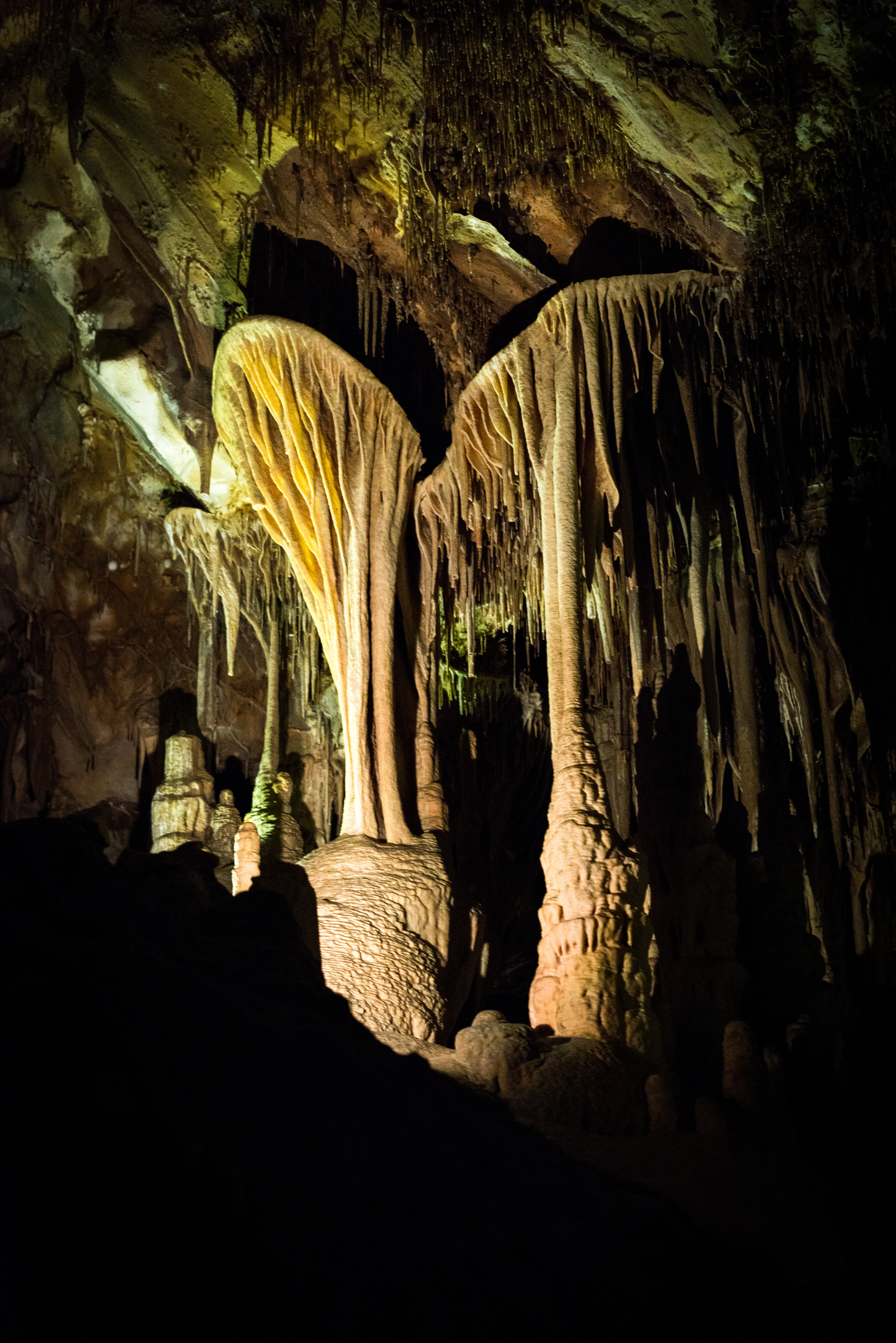
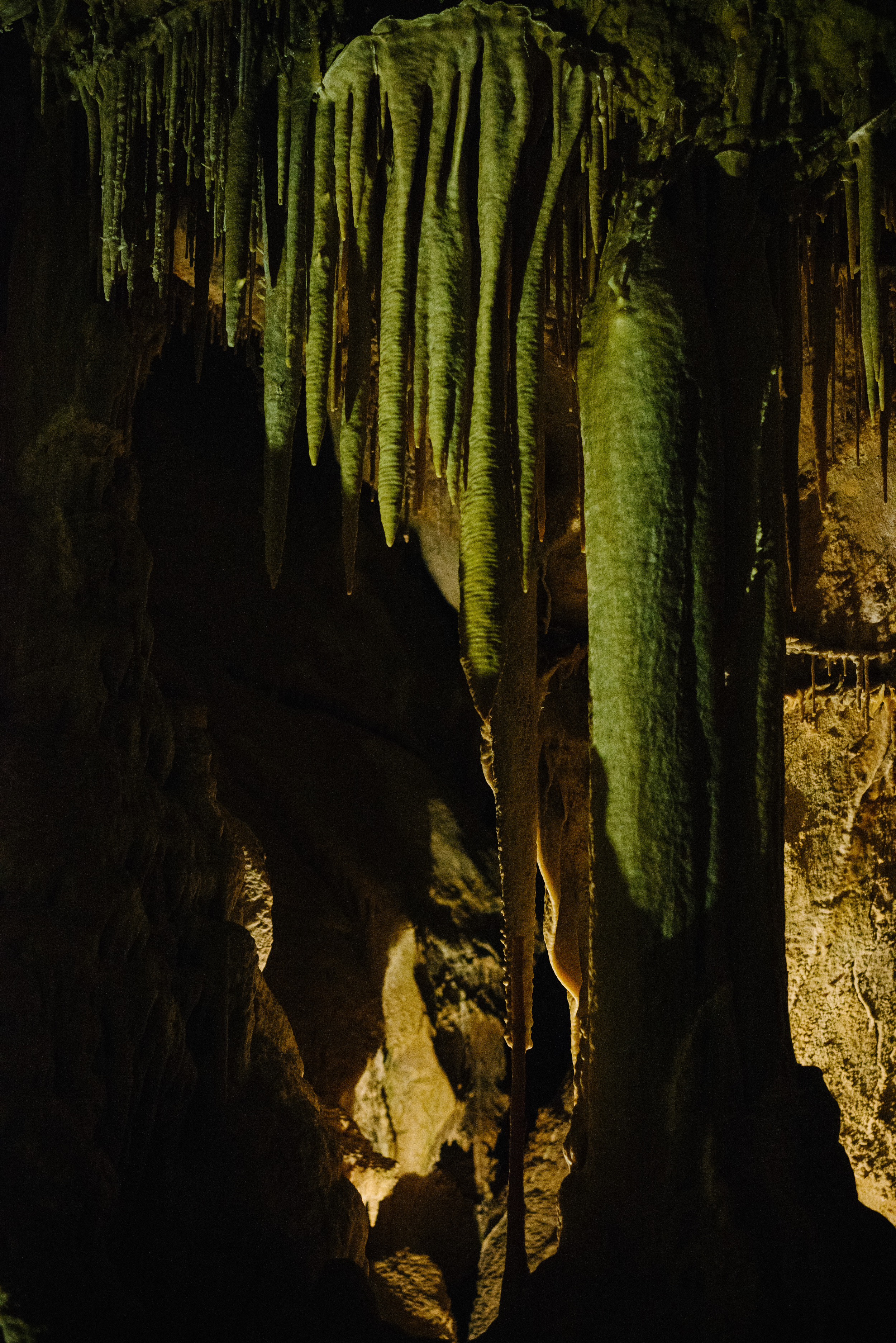
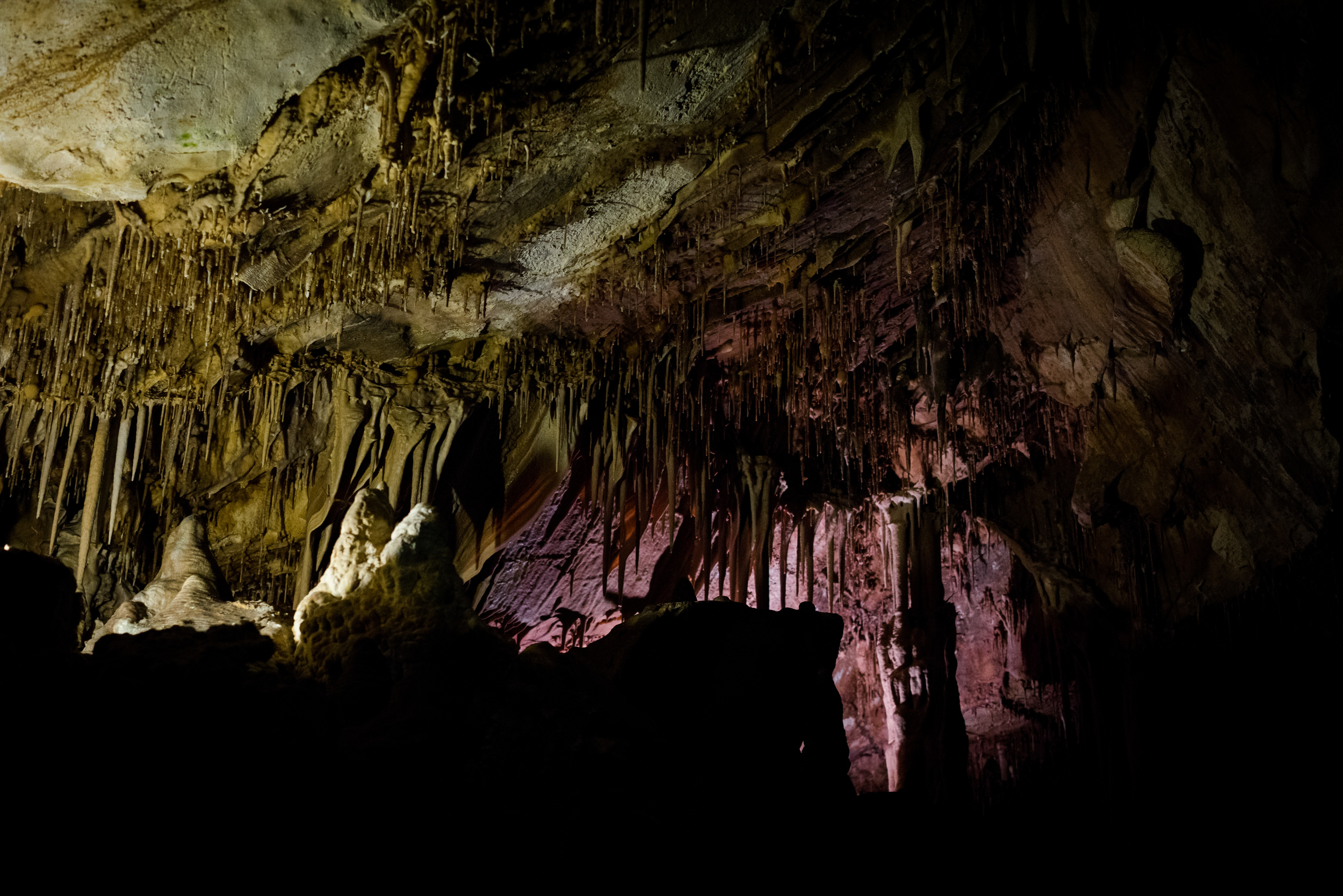
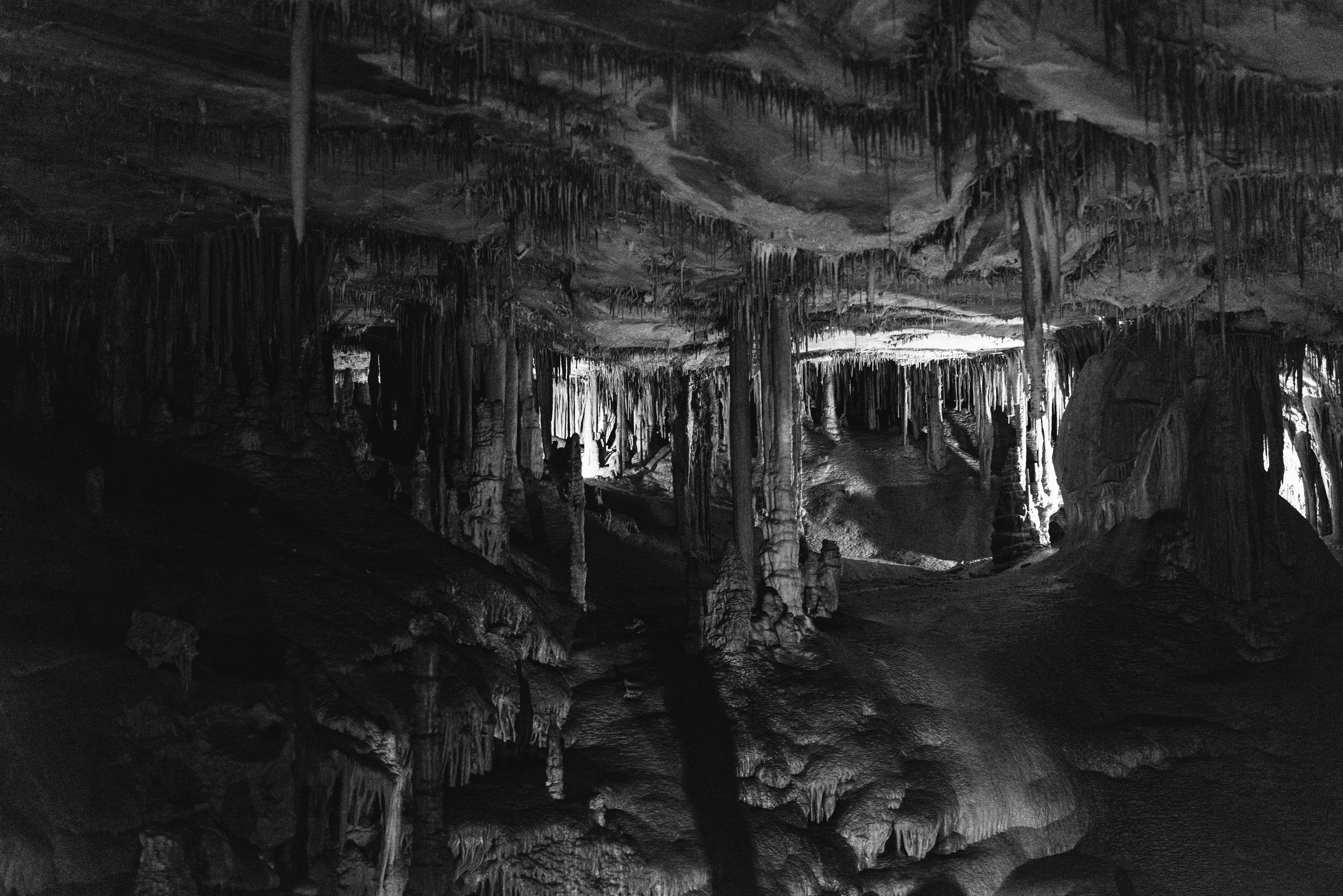
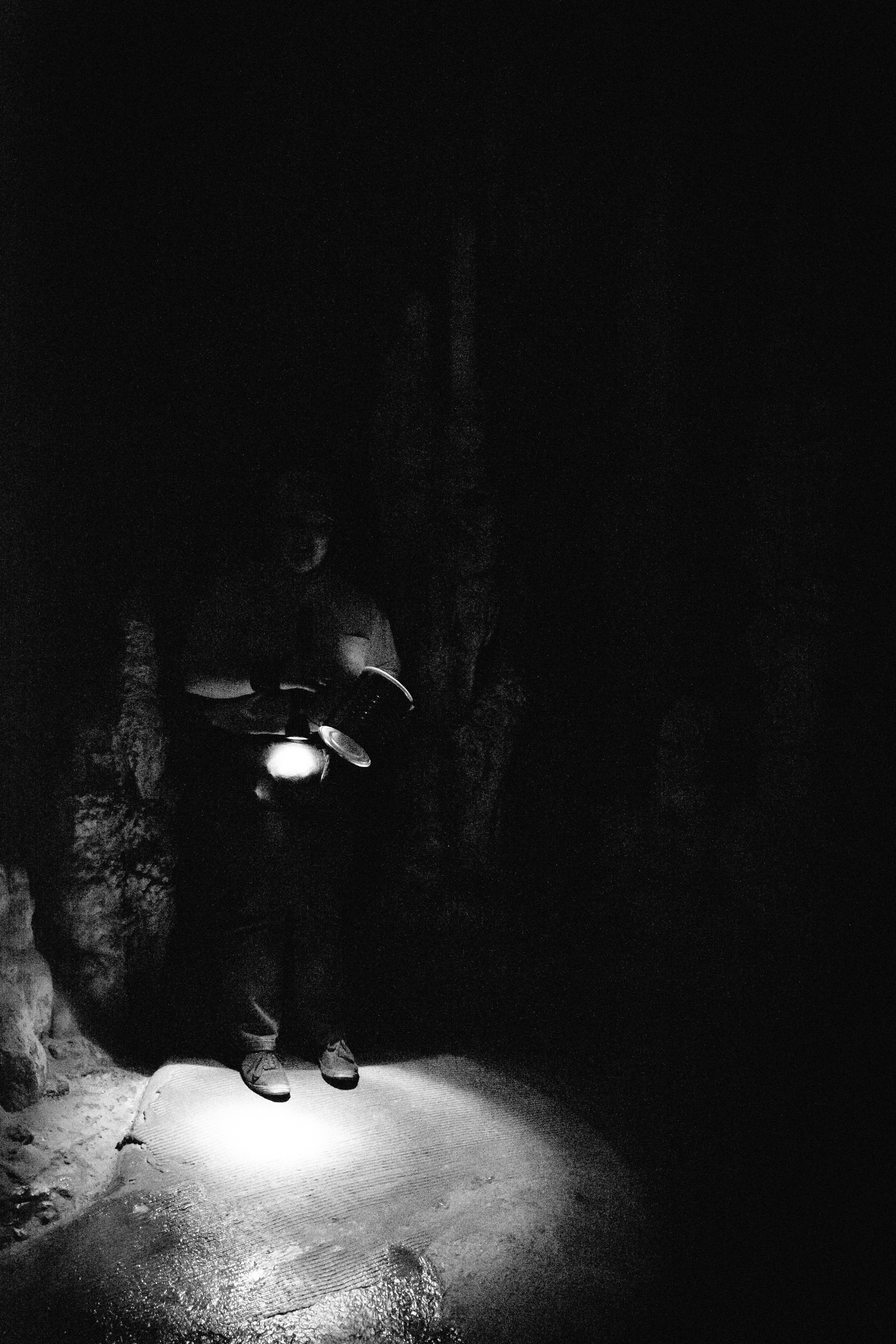
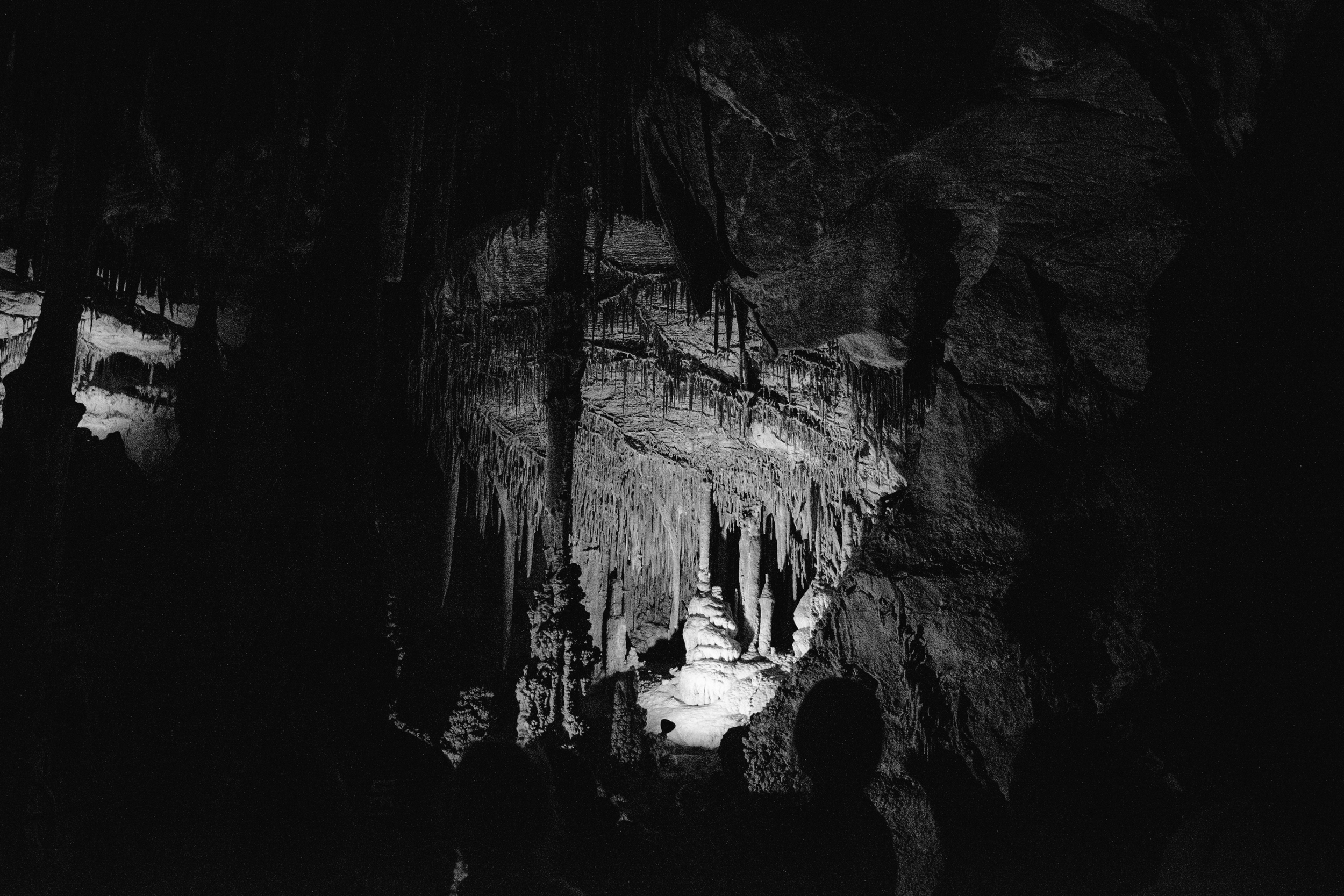
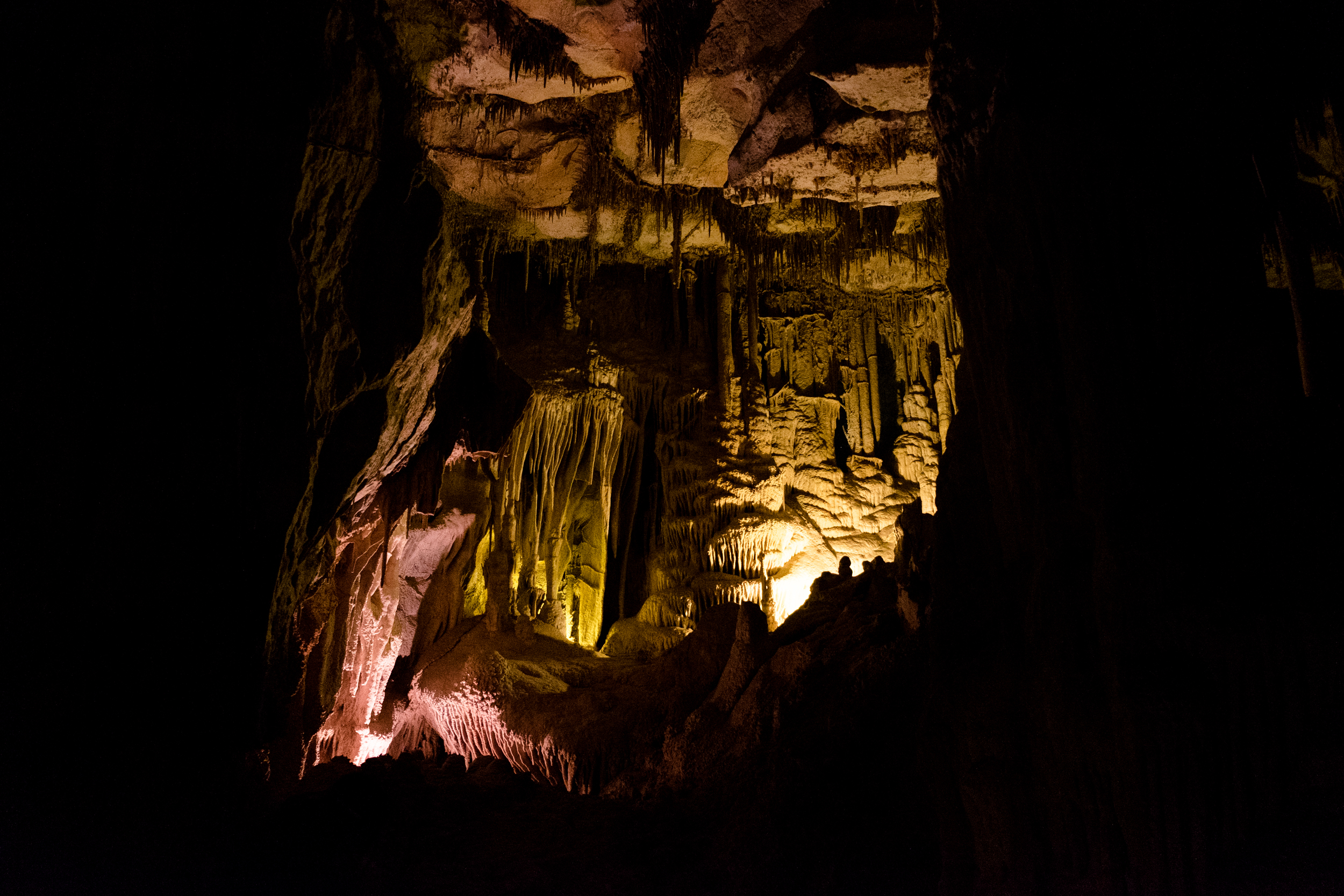
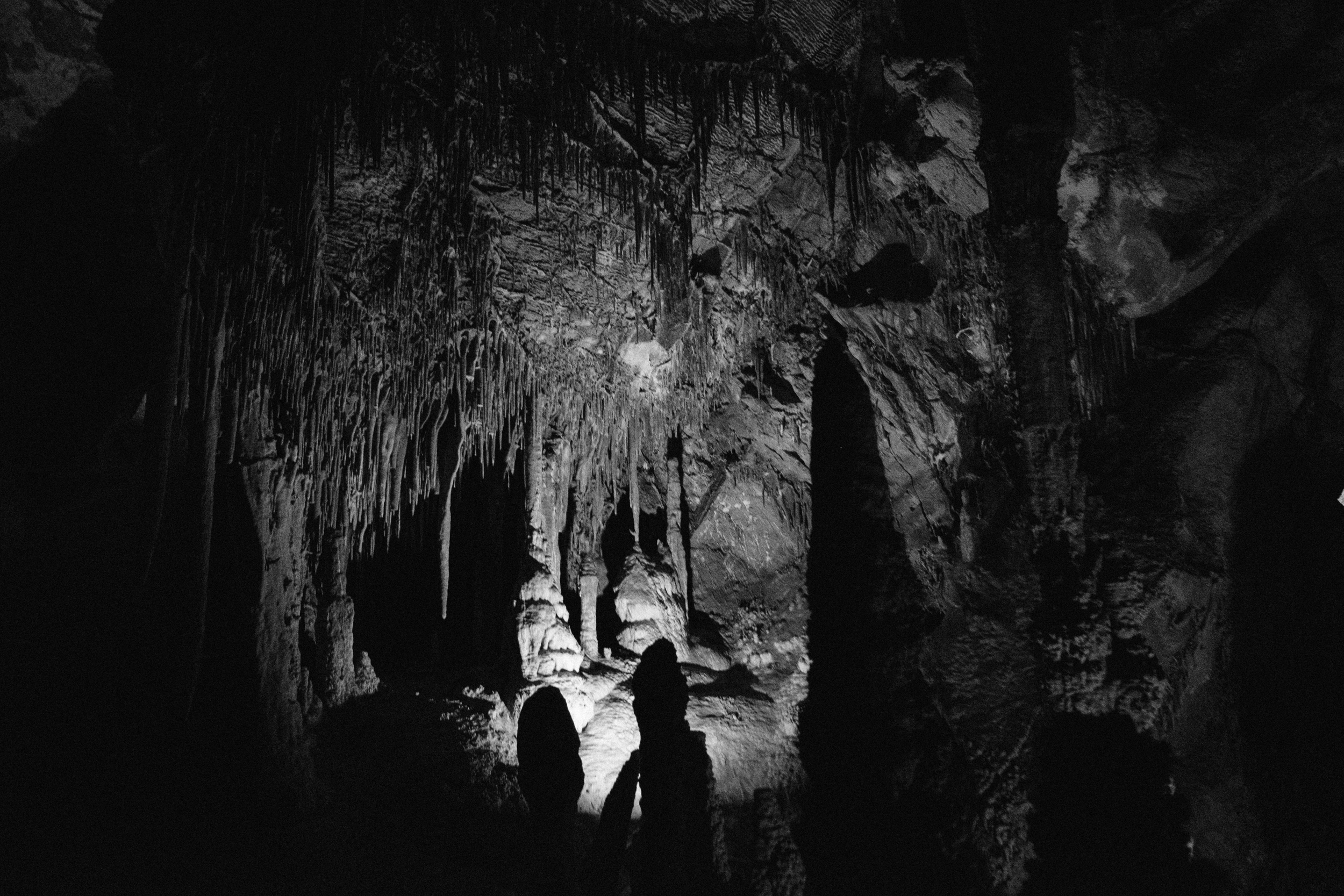
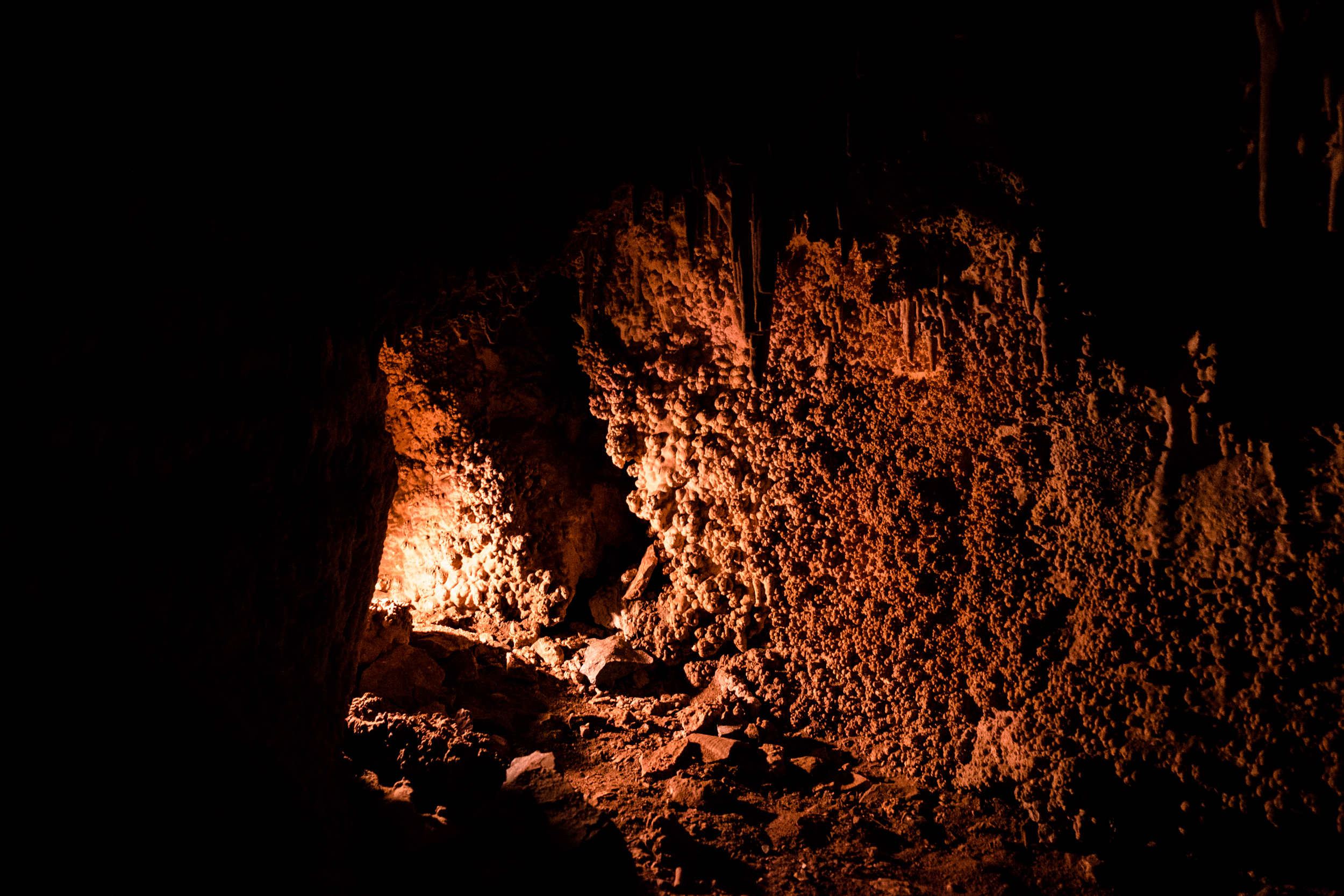
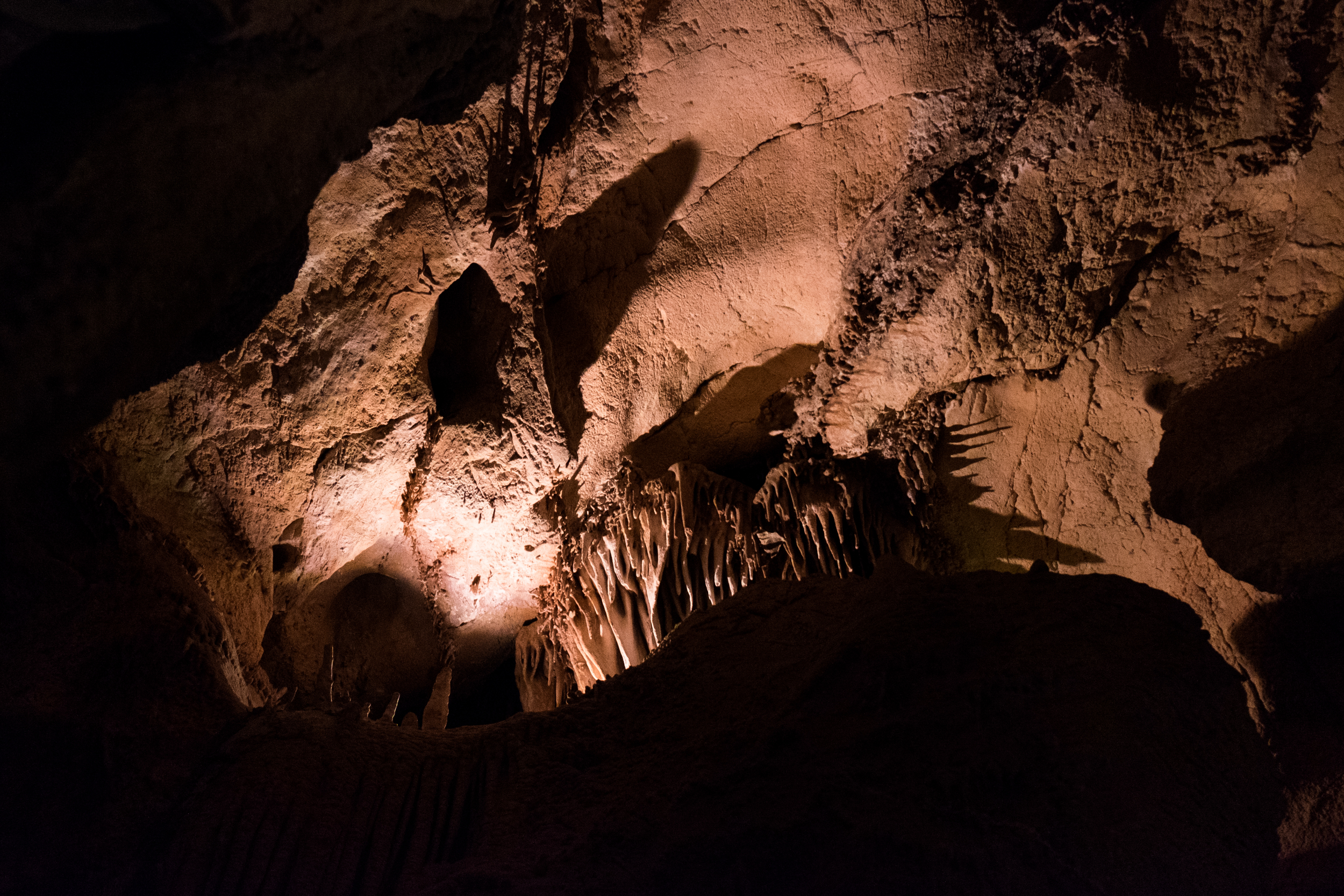
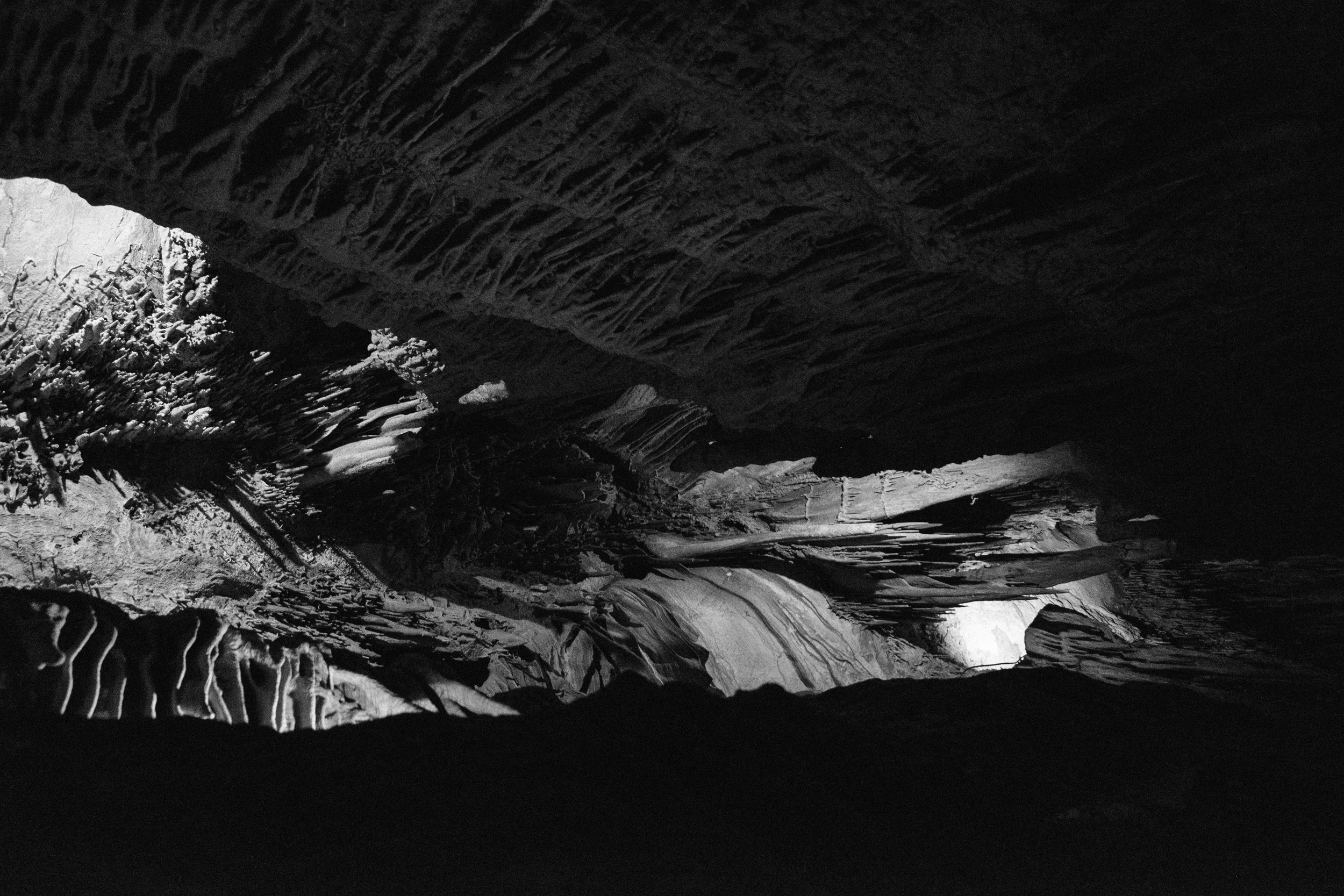
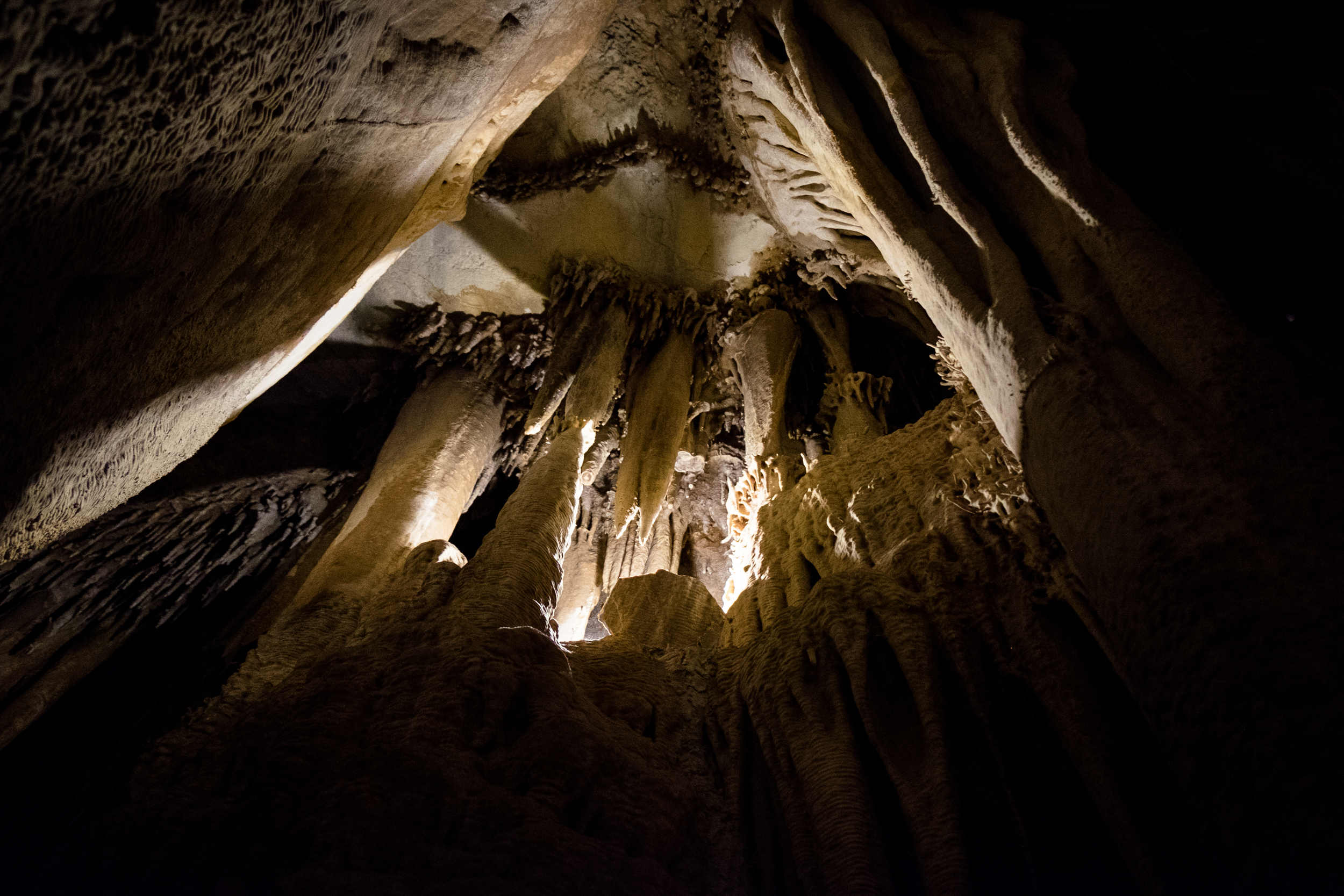
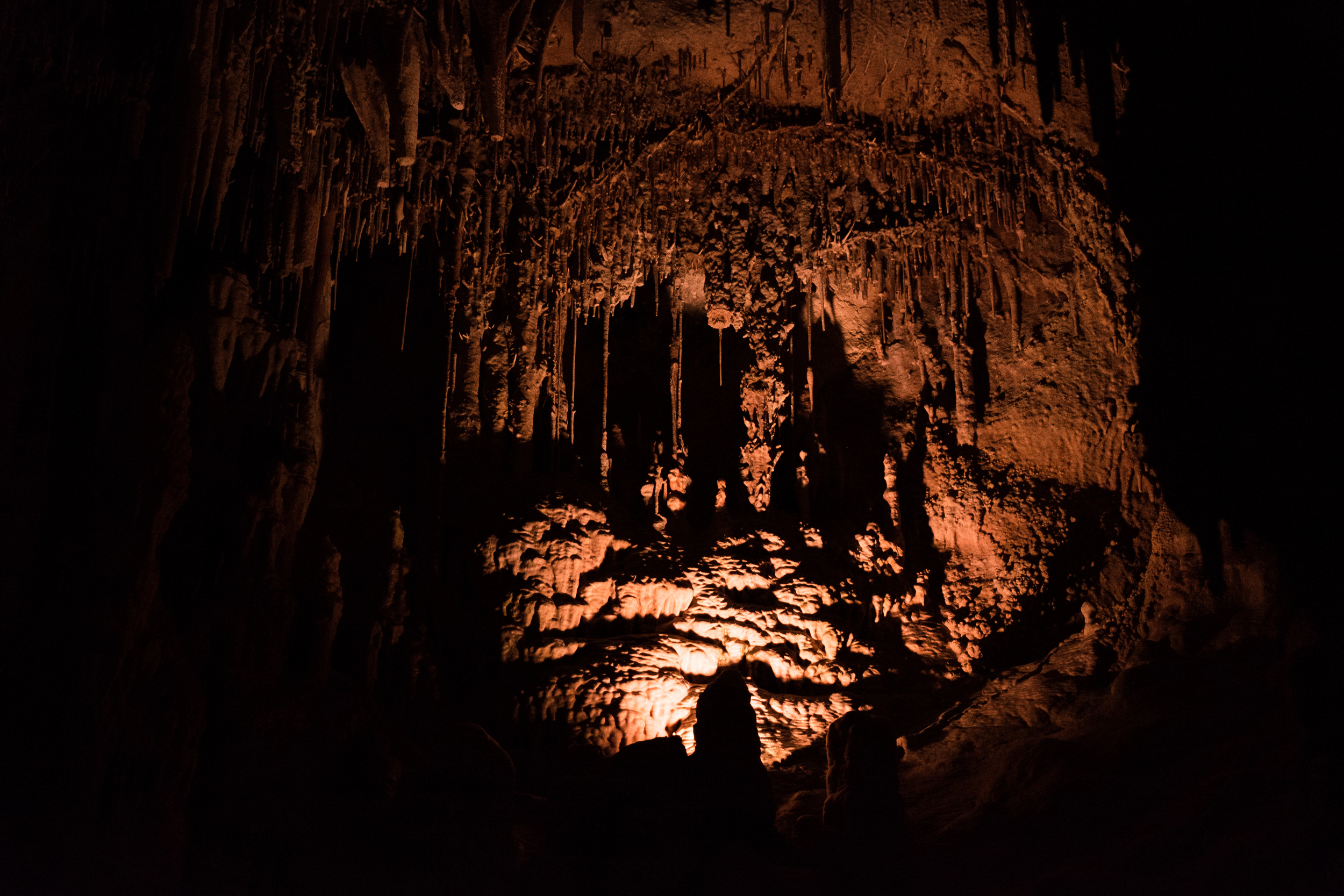
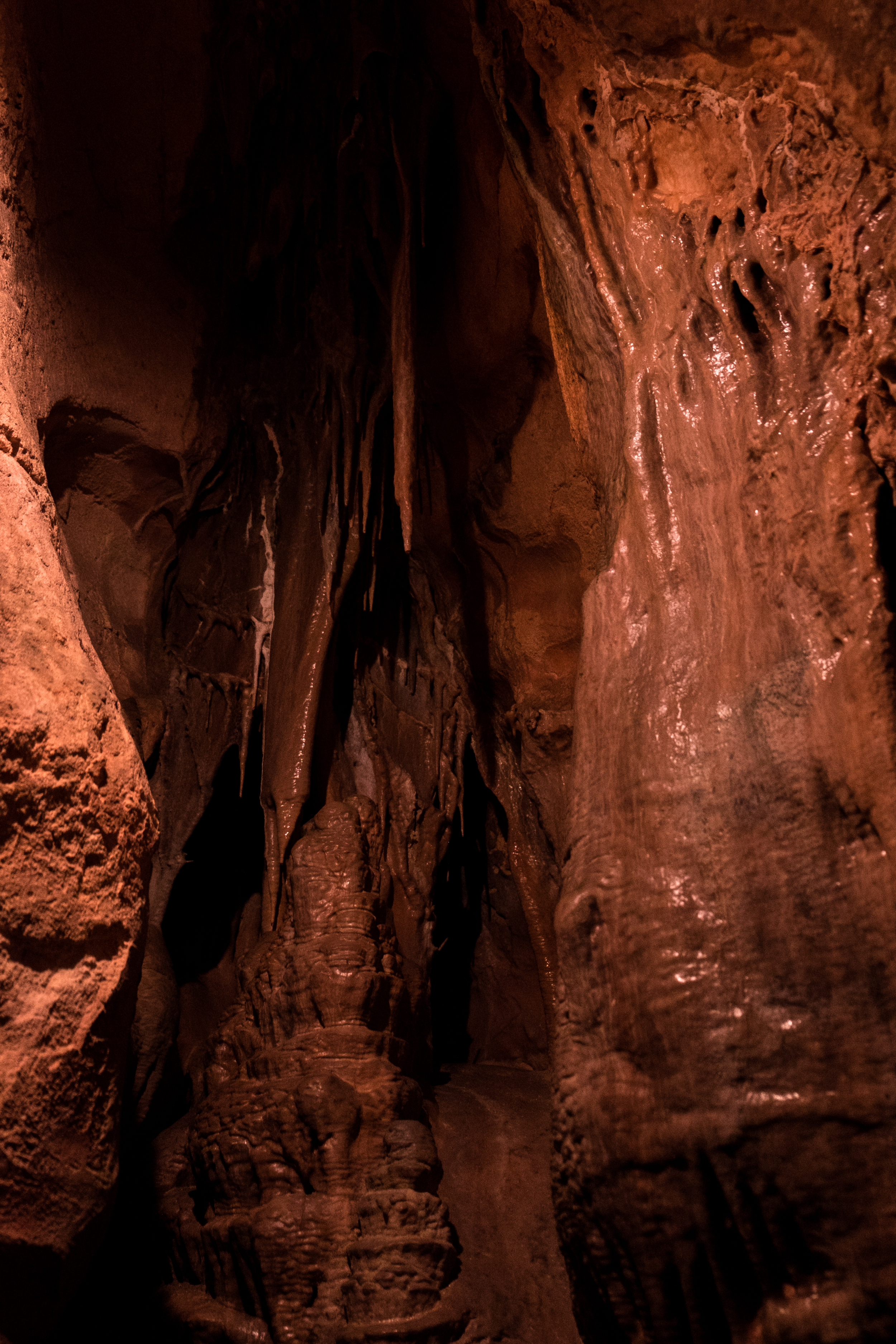
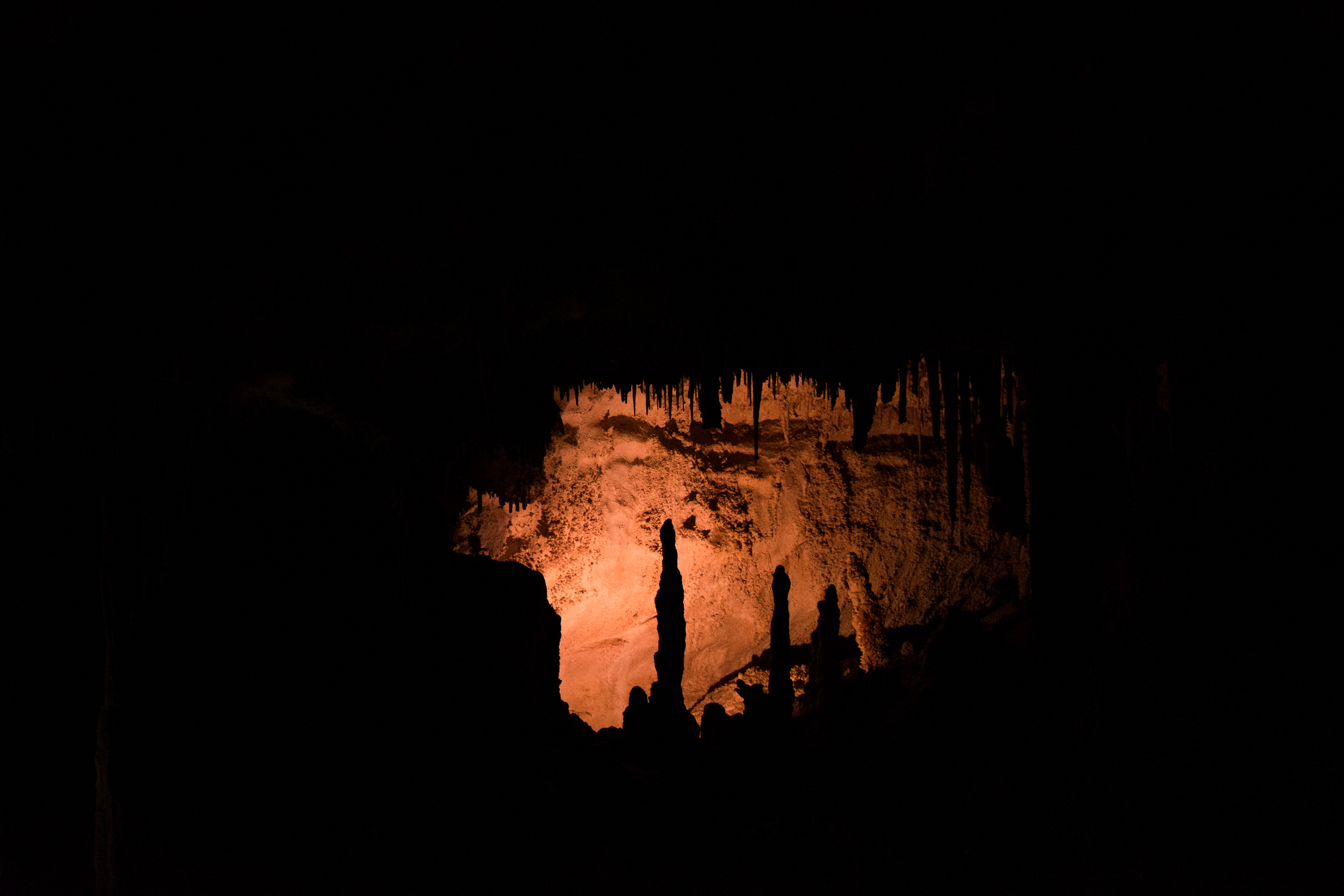
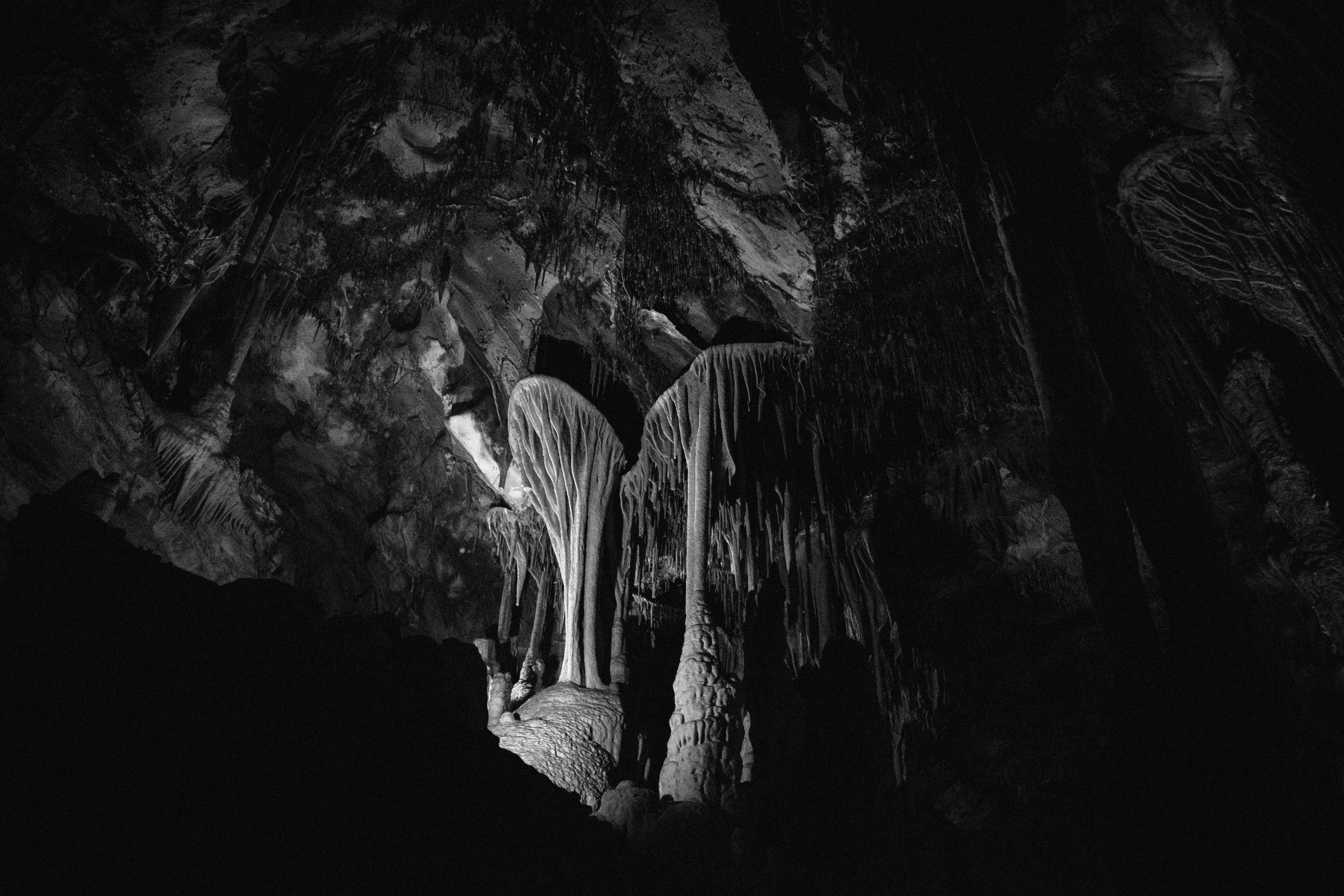
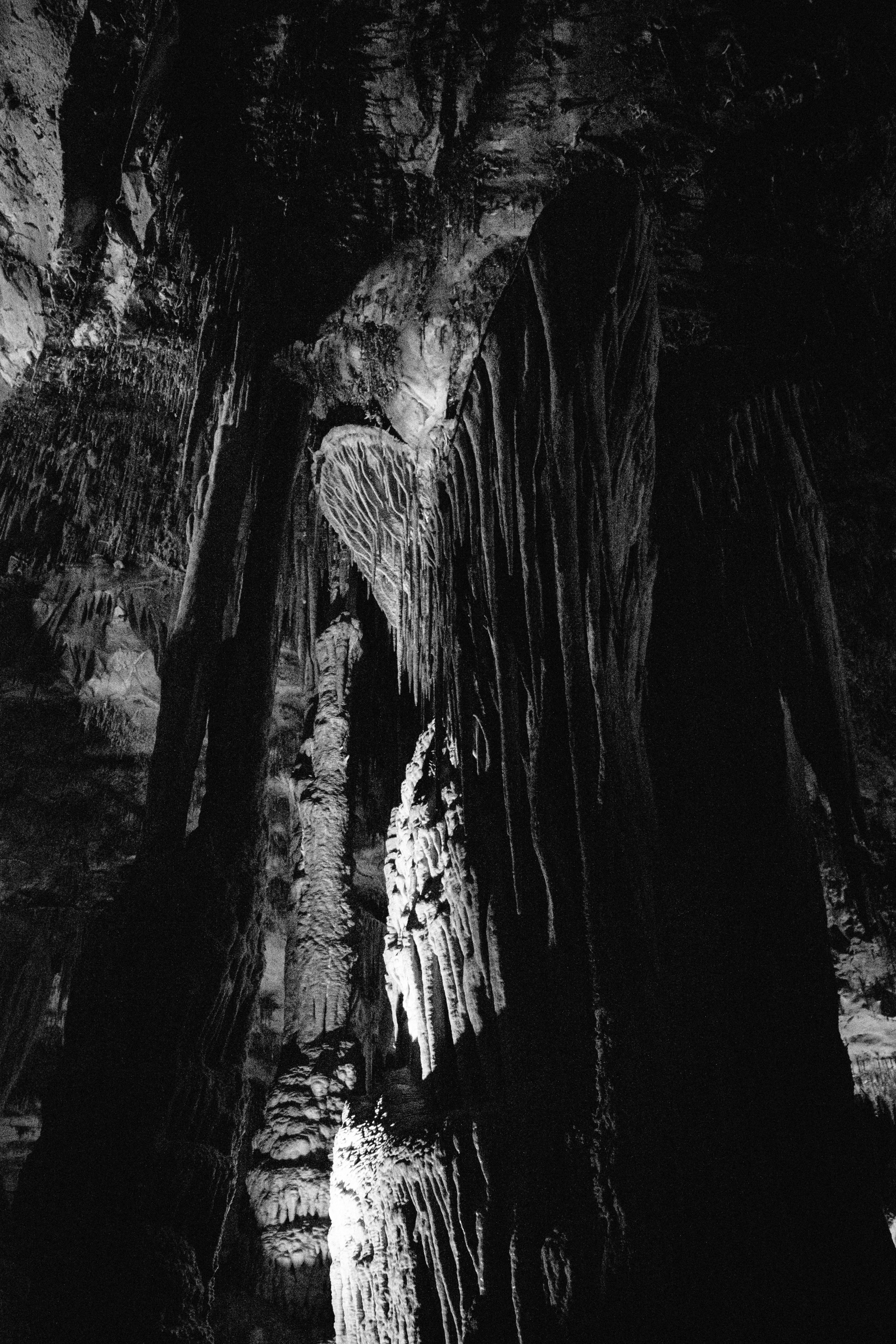
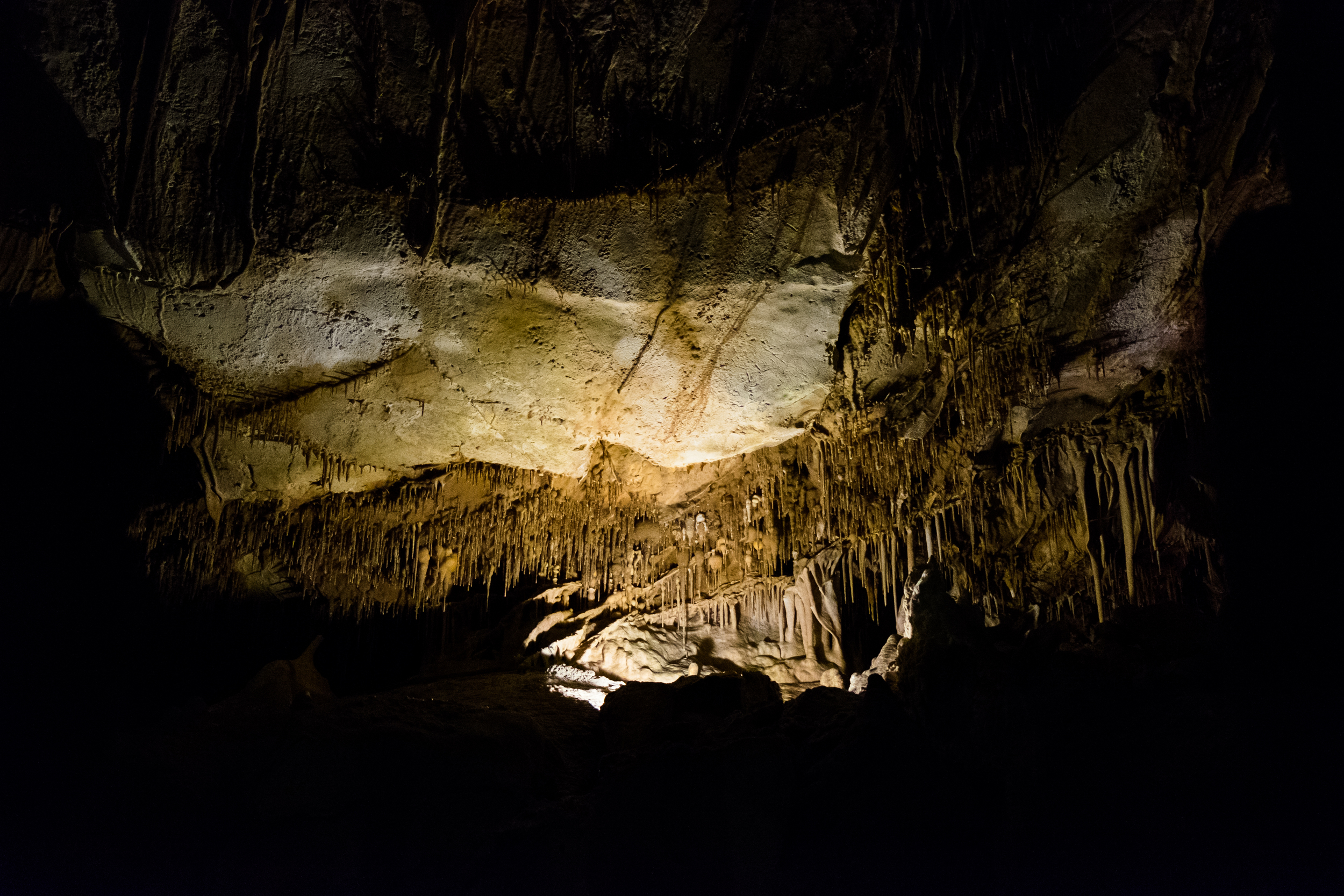
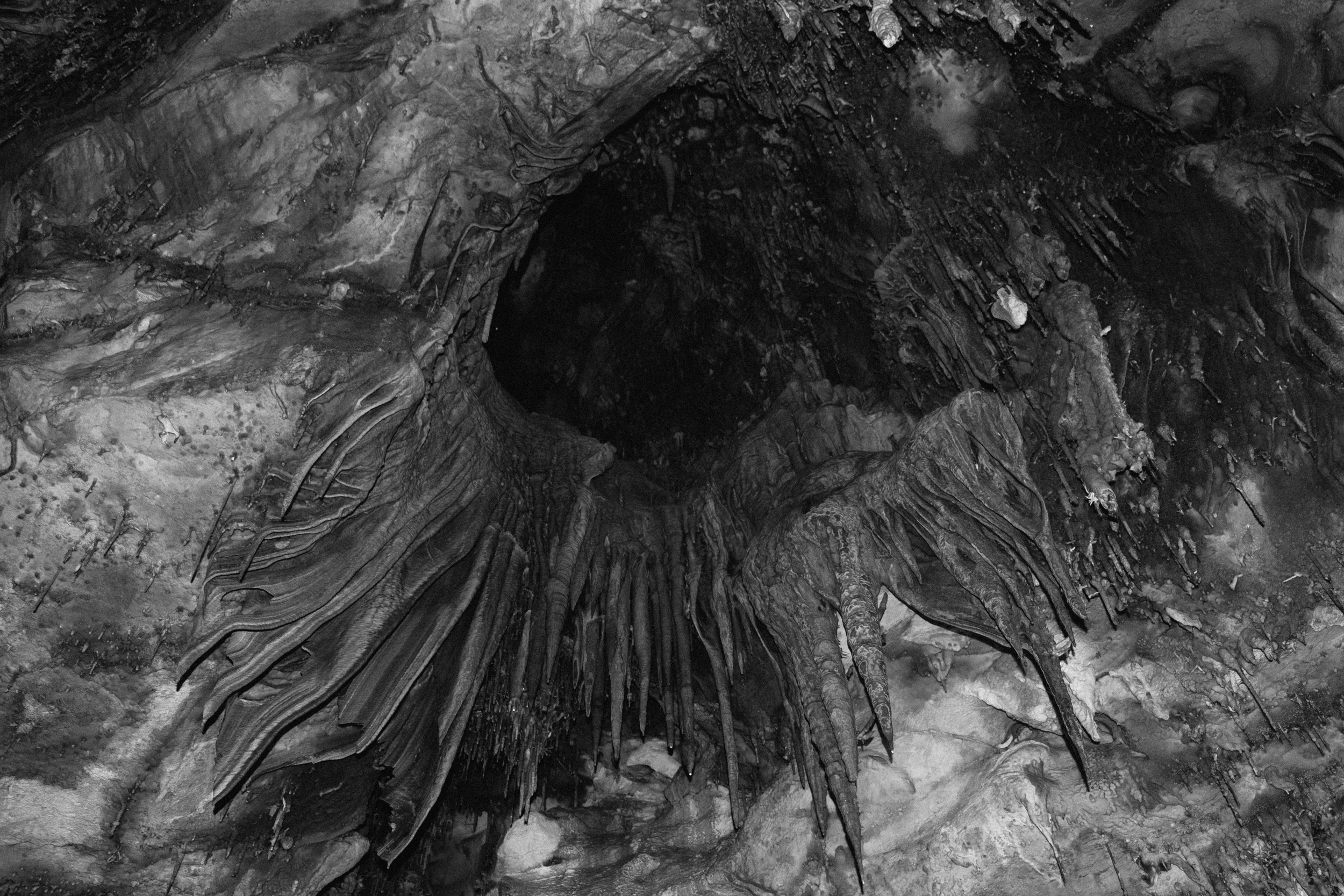
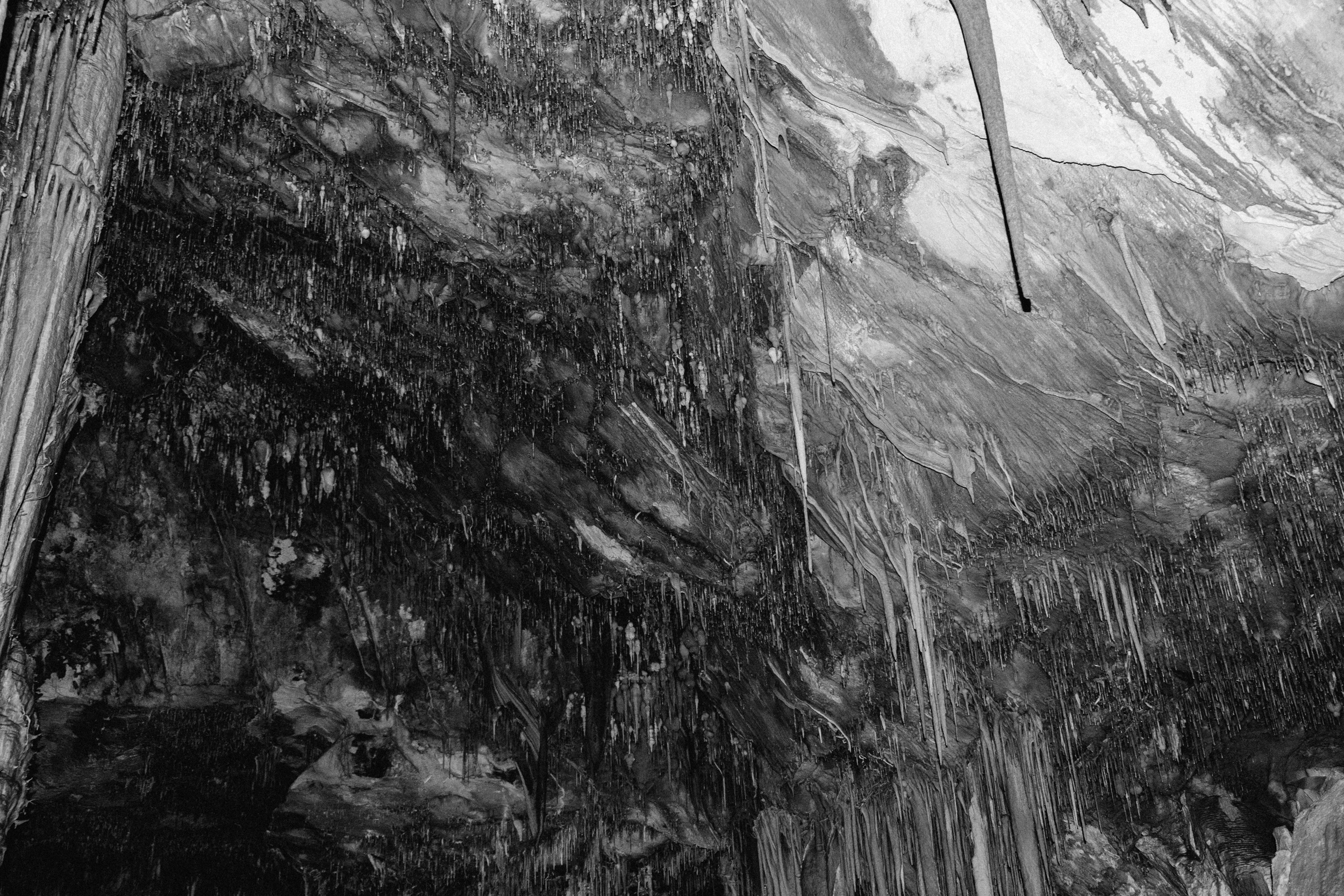
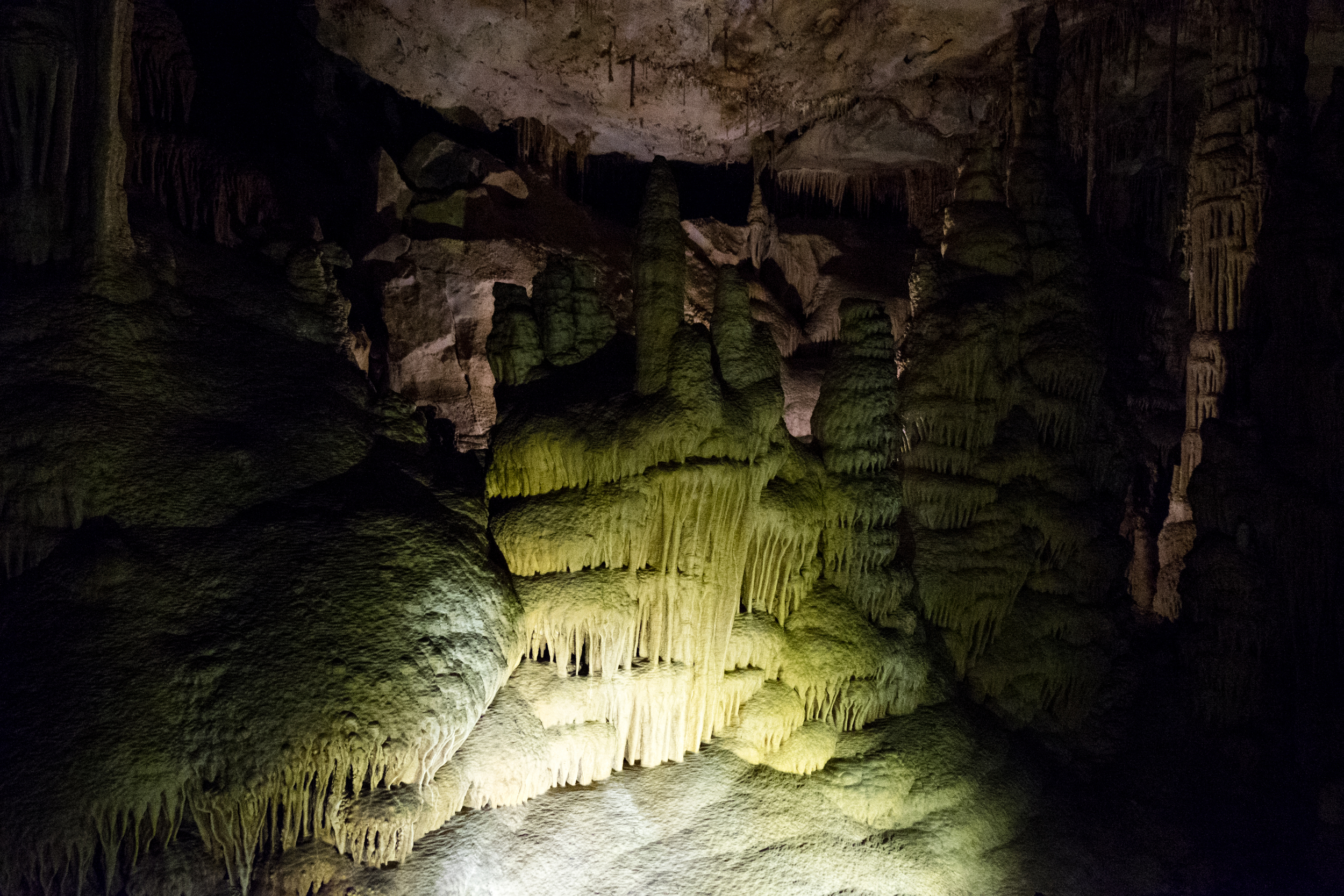
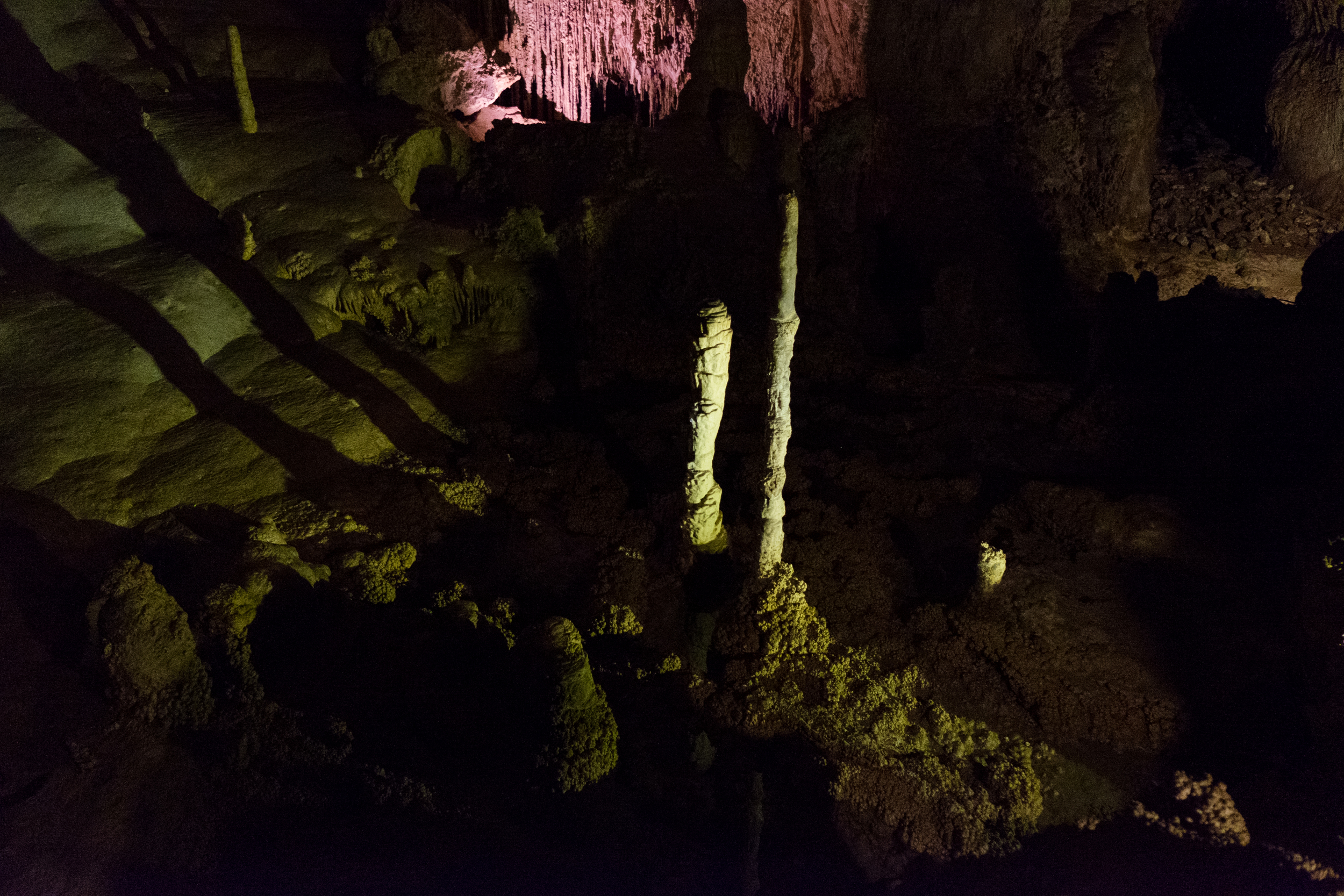
I have been in several underground places before, from other much smaller caves to mines and in various places, but nothing quite rivaled the sheer size and brilliance of the Lehman Caves. We both were incredibly thankful we were able to do the tour for the experience was worth every minute, even if it meant delaying our long hard drive up to Boise for the day. With more photographs than we could count, and memories that would last a lifetime, we set off to the small town of Baker, across Highway 50, and back up I-93 until we reached our next destination: Ely, Nevada.
Ely and the Long Drive
It was around 11:40am when we left, and we soon found ourselves after about an hour of driving at the city of Ely, the county seat of White Pine County in Nevada—with a larger population than many of the other smaller towns we visited thus far, along with a greater number of amenities it was the right spot to stop to fuel up the tank and take a stroll along the downtown section, even if it was for just a few minutes.

Downtown Ely looking at the famous Hotel Nevada
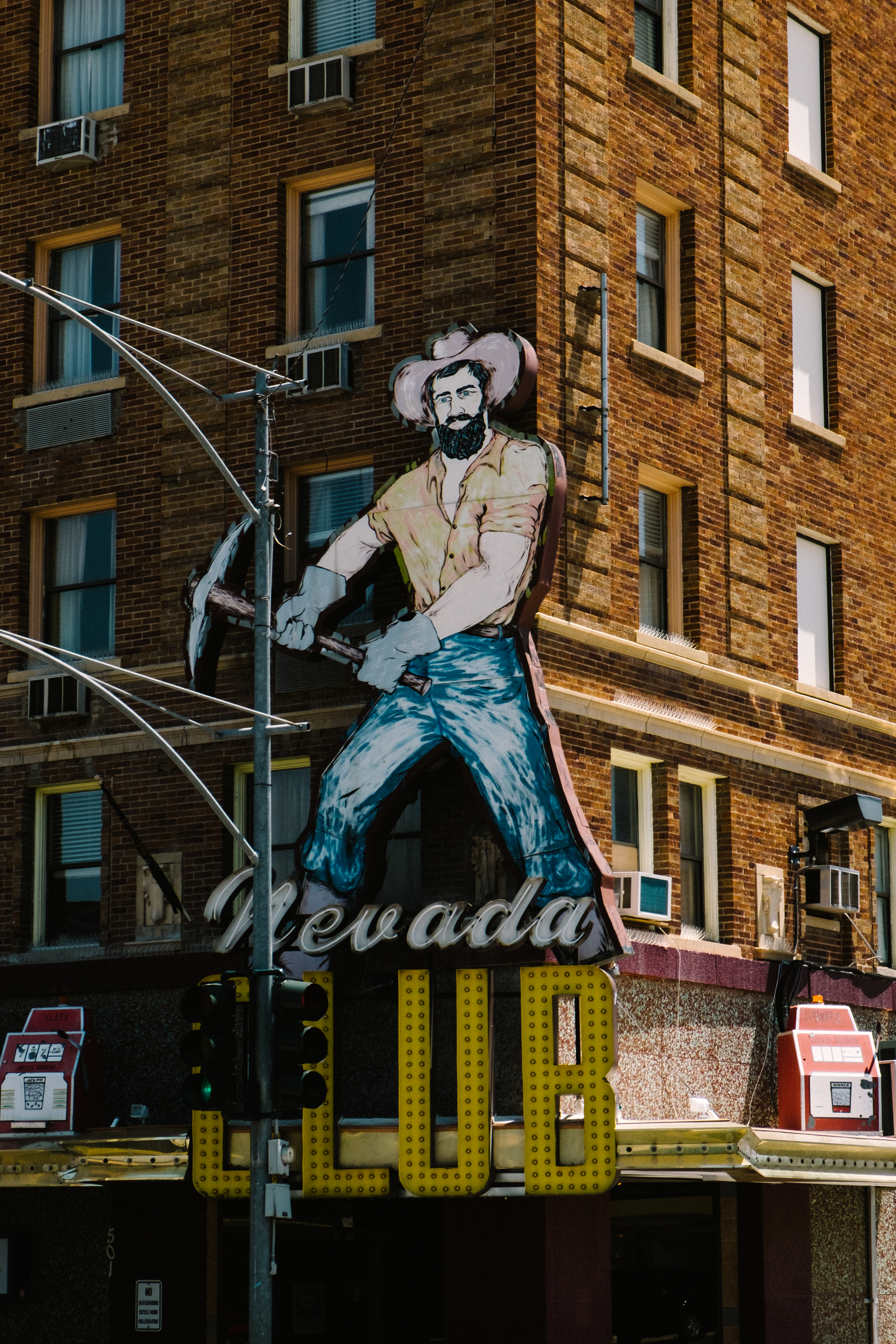
The Nevada Club in Ely
This town, like many others can be considered a ghost town when compared to its former glory as a boom town for it essential stop along the Pony Express route, mining and a major junction for the now defunct Northern Nevada Railway which helped connect the major city along with other mine towns to the Central Pacific Railroad, the first transcontinental line. It is, however, a ghost town that never really died—the mines surrounding the area have always been alive with some sort of activity; today copper continues to keep Ely an important part of Nevada’s still ever booming mine industry. Unfortunately due to the long drive, we did not have much time to rest here, or stop by many of the historic sites or museums such as the famous Northern Nevada Railroad Museum. Shaking our heads about having to leave so soon, we hit the road once more, for the long drive north along I-93—one of the toughest we had planned for the whole of the trip.
I-93 after Ely stretches on and on for mile after mile over flat basin with not much to see on either side and small towns such as McGill, Currie, and Wells lacking most amenities until you hit the border town of Jackpot. Most of this stretch of road is designated “Daytime Headlight Use” zone from the mirage that appears in the road and the ease of dazing out and being unable to see approaching drivers. Mile after mile ticked, with many of our own tunes playing on the radio. We even finished an audio book or two, and occasionally out of curiosity tuned into what the local radio stations had in-store. After hearing a few religious sermons and religious rock songs we turned off the radio for a few more miles. People often forget that while Utah is always known as being Mormon territory, northern Nevada also is part of what many sub-culture analysts deem the Mormon quarter of the United States.

We tanked up again in Wells and checked our maps, distance, and time for arrival. Still without cell service, it was all just a game of estimation based on distances we could measure the good old fashioned way along with the time estimation guides on the bottom of our two maps guiding the way. With water refilled, faces washed in the restrooms, and a tank full of gas, we decided to push right into Twin Falls where we would make our final stop before the two hour drive into Boise where our hostel was for the next two nights. With another two hours to go, we left and drove straight there taking only glances through the windows at other small towns such as Wilkins and Henry along the way before reaching Jackpot and the signs welcoming us to Idaho.
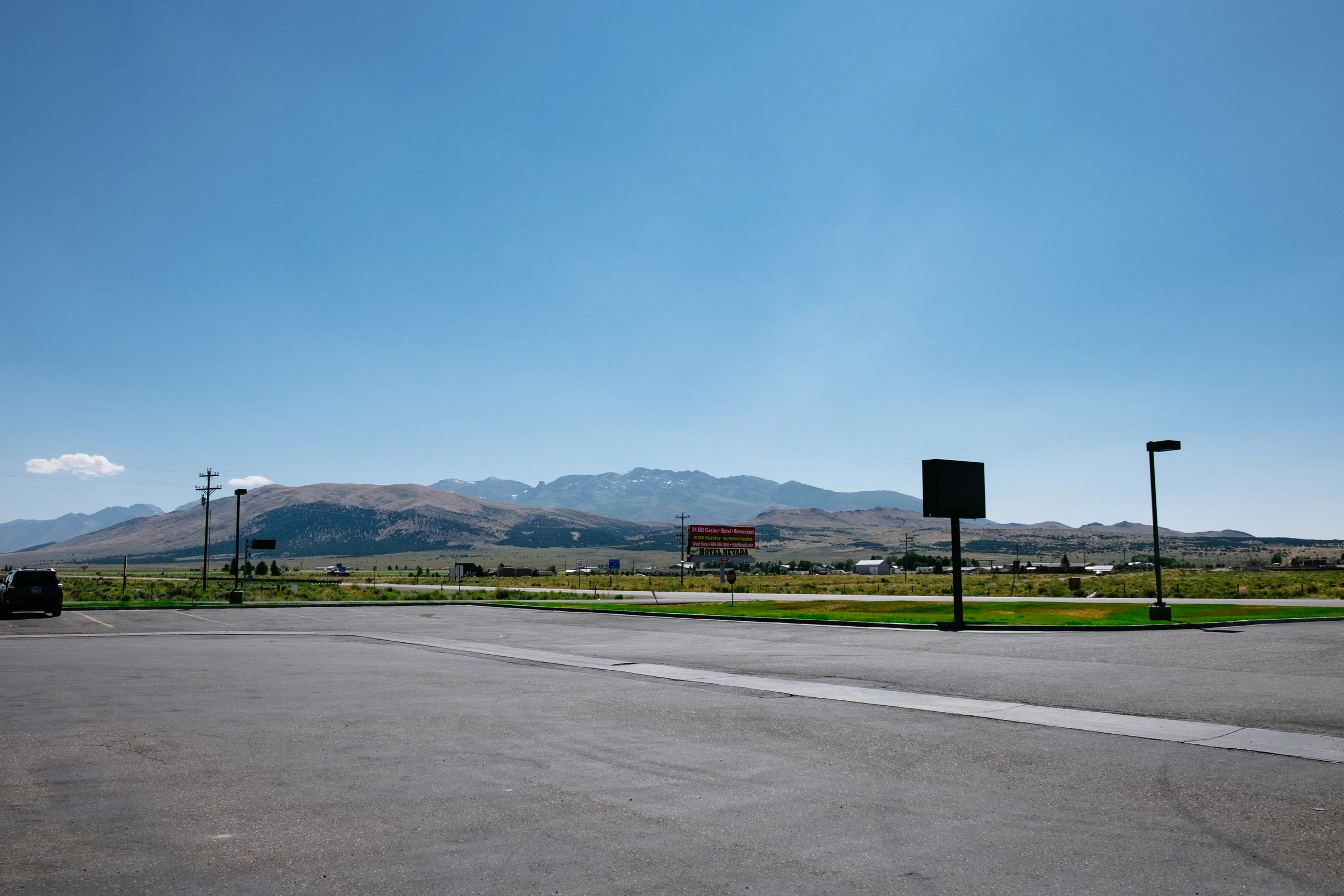
Not much is in Wells, so we stopped by the Flying-J and hit the road.
We Make It to Idaho
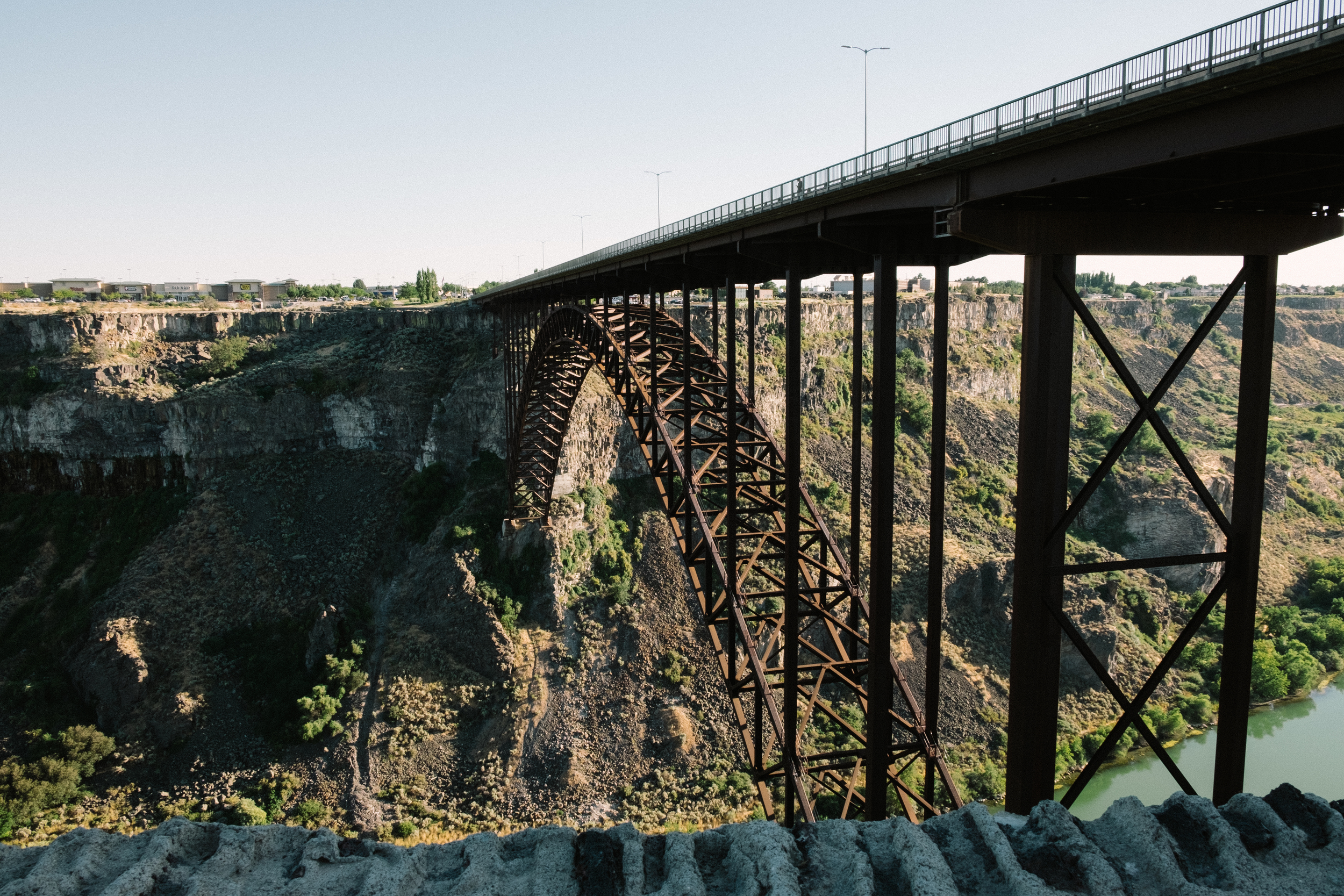
The Snake River cuts right through parts of I-84 making it a wonderfully scenic drive from Twin Falls to Boise.
By the time we hit Twin Falls it was already nearing dawn. We were hungry and tired from a couple days of long drives and still a little sleep deprived. Here, we decided, would be the perfect place to stop for a moment to rest our legs and grab a bite to eat. After some careful navigating and praising the return of cell service we hit the downtown stretch of Twin Falls just after most of the small businesses closed. Still, there was a lot to discover and it was nice to stretch our legs and walk the historic downtown.

Downtown Twin Falls offers some great historic sites, but has a lot of businesses close past 5pm
Twin Falls was a lot more quaint than I remembered, then again I had only passed through once before and stayed on a farm for a day. Regardless, we saw a few of the historic theaters and took a few moments to appreciate the great looking signs for the various businesses along the downtown stretch and over I-84 connecting Twin Falls and Boise. Without finding anything appetizing to eat that was still open, we decided to load back into the truck and head to Boise for the final leg of the day. Drained, tired, hungry, and eyes glazed from the road we still made stops as frequently as we could including the wonderful Snake River scenic overlook. The drive along I-84 is a pleasant one, it cuts through lots of protect land, the small town of Mountain Home, and for a good portion of the drive the road twists and turns around and over the Snake River.
It was not until about 10pm that we finally reached our farmhouse hostel right outside of Boise in the suburban farm town of Meridian. Greeted by our host Nick in his Punisher comic tank top he showed us around the property and told us we were the only ones going to be staying there for the night, and possibly the next. With our dorm room shown to us and a quick overview of the expectations, Nick yawned as he showed himself out. We finally made it to Boise after a long drive of nearly 9 hours on the road, and tomorrow a full day would be spent in this capital city just north of Nevada. Before hitting bed we decided one last time to try and find something to eat, swearing off fast food of any kind for the journey. With no luck, we grabbed some bread and cheese to snack on before finally calling it a night and enjoying a good night’s rest.

Our lodging for the night at Hostel Boise just outside of town in the city of Meridian, Idaho